
- By Bella Blog
- Roofing
- 0 Comment
Discover the best types of roofing materials for your home and make an informed decision with this comprehensive guide.
What Are the Most Common Types of Roofing Materials for Homes?
The most common types of roofing materials used for residential homes include asphalt shingles, metal roofing, slate, clay or concrete tiles, wood shingles or shakes, and synthetic roofing materials. Each roofing material offers unique benefits in durability, appearance, maintenance, and cost.
Choosing between different types of roofing materials depends on your climate, budget, home design, and long term maintenance expectations. Some roofing materials provide excellent durability, while others focus on affordability or visual appeal.
Understanding how each roofing material performs can help homeowners choose a roof that offers reliable protection, improved energy efficiency, and lasting value.
Understanding the Importance of Choosing the Right Roofing Material
Choosing the right roofing material is crucial for the overall performance and longevity of your roof. The types of roofing materials you choose will determine how well your roof can withstand various weather conditions, such as rain, snow, wind, and extreme temperatures. It also affects the energy efficiency of your home and can even impact its aesthetic appeal. Therefore, it is essential to understand the importance of selecting the right roofing material.
When choosing among different types of roofing materials, you need to consider factors such as durability, cost, maintenance requirements, and environmental impact. Different roofing materials have different strengths and weaknesses, so it’s important to choose one that aligns with your specific needs and preferences. For example, asphalt shingles are a popular and affordable option, but they may not be as durable as metal or slate roofs.
Additionally, the climate in your area should also play a role in your decision making process. Certain types of roofing materials are better suited for specific climates. For instance, clay or concrete tiles are more suitable for hot and dry climates, while metal roofs are excellent for areas prone to high winds and heavy snowfall.
By understanding the importance of choosing the right roofing material, you can ensure that your roof provides the necessary protection and functionality for your home.
Exploring the Different Types of Roofing Materials
There are various types of roofing materials available in the market, each with its own unique characteristics and advantages. Here are some of the most common types of roofing materials used for residential roofs.
Asphalt Shingles
One of the most popular types of roofing materials for residential roofs, asphalt shingles are affordable, easy to install, and available in a wide range of colors and styles.
Metal Roofing
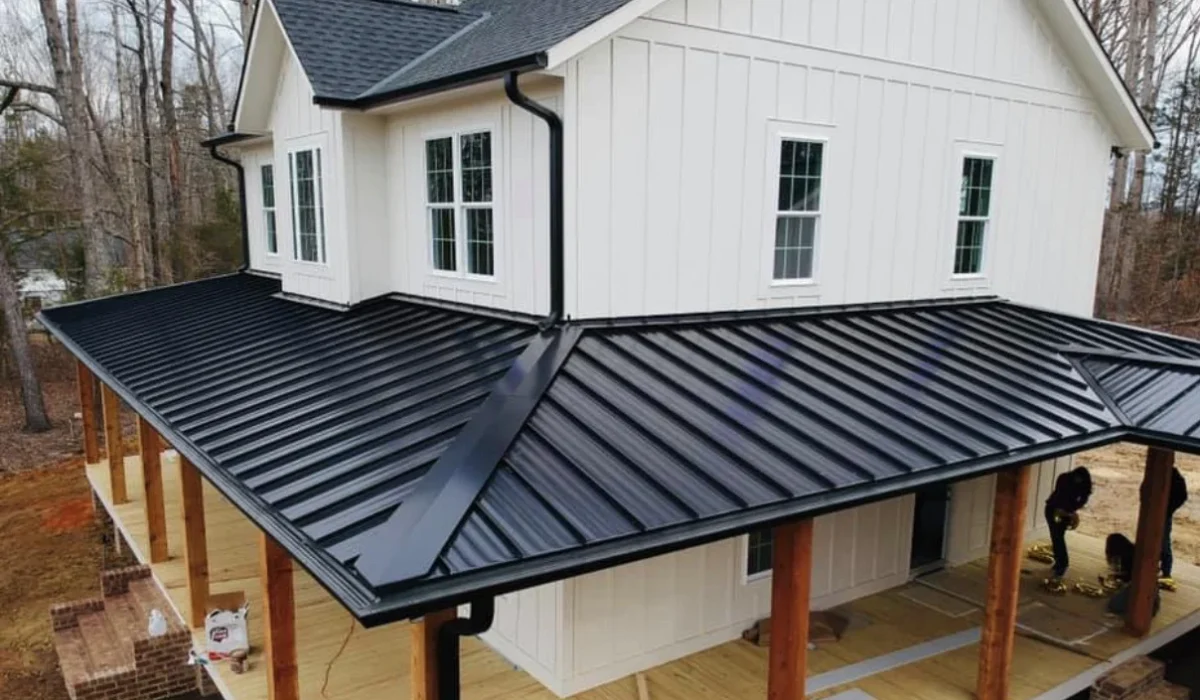
Metal roofs offer durability, energy efficiency, and a modern aesthetic. These types of roofing materials are available in different metals such as steel, aluminum, and copper.
Slate Roofing
Known for its elegance and longevity, slate roofs can last for over a century. However, these types of roofing materials are more expensive and require professional installation due to their weight.
Clay or Concrete Tiles
These roofing tiles are popular in Mediterranean style homes and offer excellent durability and fire resistance. These types of roofing materials are suitable for hot and dry climates.
Wood Shingles or Shakes
Wood roofing provides a natural and rustic look. However, these types of roofing materials require regular maintenance and are susceptible to rot and insect damage.
Synthetic Roofing Materials
Synthetic materials such as rubber, plastic, or polymer offer cost effective alternatives to traditional roofing materials. These modern types of roofing materials are lightweight, durable, and eco friendly.
These are just a few examples of the different types of roofing materials available. Each roofing material has its own pros and cons, so it’s important to research and consider your specific needs before making a decision.
Factors to Consider When Choosing a Roofing Material
When selecting among the different types of roofing materials, there are several factors you should take into consideration.
Durability
Consider the lifespan of the material and how well it can withstand the elements in your area. Some types of roofing materials are more durable and long lasting than others.
Cost
Determine your budget and compare the cost of different roofing materials. Keep in mind that while some types of roofing materials may have a higher upfront cost, they may also offer better long term value.
Maintenance Requirements
Consider the maintenance needs of each material. Some roofing materials may require regular inspections, cleaning, or repairs, while others are relatively low maintenance.
Energy Efficiency
If energy efficiency is a priority for you, look for types of roofing materials that are designed to reduce heat transfer and improve insulation, such as metal roofs or cool roofs.
Aesthetics
Consider the architectural style of your home and choose a roofing material that complements its design. Some types of roofing materials offer a wide variety of colors and styles to match your preferences.
Environmental Impact
If sustainability is important to you, consider roofing materials that are eco friendly and can be recycled at the end of their lifespan.
By carefully considering these factors, you can make an informed decision and choose the best roofing material for your home.
Comparing the Pros and Cons of Each Roofing Material
To help you further in your decision making process when evaluating different types of roofing materials, here is a comparison of their advantages and disadvantages.
Asphalt Shingles
Pros – affordable, easy to install, wide range of colors and styles
Cons – less durable compared to other types of roofing materials, shorter lifespan.
Metal Roofing
Pros – durable, energy efficient, modern aesthetic
Cons – higher upfront cost, can be noisy during heavy rain or hail.
Slate Roofing
Pros – elegant, extremely long lasting
Cons – expensive, requires professional installation, heavy.
Clay or Concrete Tiles
Pros – durable, fire resistant, suitable for hot climates
Cons – heavy, more expensive than asphalt shingles.
Wood Shingles or Shakes
Pros – natural and rustic look
Cons – high maintenance, susceptible to rot and insect damage, shorter lifespan.
Synthetic Roofing Materials
Pros – cost effective, lightweight, eco friendly
Cons – may not have the same aesthetic appeal as traditional roofing materials.
It’s important to weigh the pros and cons of these types of roofing materials based on your specific needs and priorities. Consulting with a professional roofing contractor can also provide valuable insights.
Tips for Maintaining and Extending the Lifespan of Your Roof
After installing a roof using one of the many types of roofing materials, it’s essential to maintain it properly to ensure its longevity. Here are some tips for maintaining and extending the lifespan of your roof.
Regular Inspections
Schedule annual inspections by a professional roofer to identify and address any potential issues early on.
Keep Gutters Clean
Clean your gutters regularly to prevent clogs and ensure proper water drainage from the roof.
Remove Debris
Remove any leaves, branches, or debris that accumulate on your roof, as they can trap moisture and cause damage.
Trim Overhanging Trees
Trim any overhanging tree branches to prevent them from rubbing against the roof and causing damage during storms.
Address Repairs Promptly
If you notice any signs of damage, such as loose or missing shingles, leaks, or water stains, address them promptly to prevent further deterioration.
Maintain Proper Ventilation
Ensure that your attic has proper ventilation to prevent heat and moisture buildup, which can damage the roof.
Insulate Your Home
Proper insulation can help regulate temperature and reduce stress on your roof.
By following these maintenance tips, homeowners can extend the lifespan of different types of roofing materials and minimize the need for costly repairs or replacements.
Contact Information
Location:
- 10561 Center Hwy, Irwin, PA 15642, USA
E-mail:
- info@mybellaroof.com
Phone:
- 724-515-5163
With Bella, you’ll get energy efficiency improvements, reduced energy waste, and a home that’s safer, more comfortable, and more beautiful.
Thinking about your next project?

Bella Blog
Welcome to Bella Construction & Developement Inc., where excellence meets affordability in the realm of construction services.