
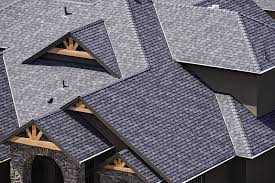
When it comes to protecting your home, your roofing system often gets all the attention. But there’s another unsung hero working behind the scenes: your gutters. Together, your roof and gutters form a powerful defense against the elements, especially when it comes to water runoff and long-term structural damage.
In this blog, we’ll walk you through the vital connection between your gutters and your roof’s health, and what can go wrong if your roof drainage system isn’t doing its job properly.
Why Your Roof Needs Gutters
Your roof is designed to shed water—but where that water goes is just as important as getting it off the shingles. Without a properly installed and maintained gutter system, rainwater can spill over the edges, pool around the foundation, or even back up under the shingles.
Gutters:
-
Direct water away from your roof, soffits, and fascia
-
Prevent water from seeping into the attic or walls
-
Keep your home’s foundation and landscaping safe from erosion
-
Help manage snowmelt and heavy rainfall
How Roof Drainage Works
When it rains, your sloped roof guides water down to the eaves. From there, gutters catch and channel that water to the downspouts, which send it safely away from your home’s perimeter. This system is especially critical in areas like Western Pennsylvania, where seasonal storms and snowmelt can lead to heavy water runoff.
Without this controlled pathway, you risk:
-
Rotting roof decking and trim
-
Mold growth in your attic or walls
-
Damage to siding and windows
-
Erosion around the foundation
What Happens When Gutters Fail?
Gutter overflow is one of the most common and damaging symptoms of a failing system. This can be caused by:
-
Clogs from leaves, twigs, or shingle granules
-
Sagging or misaligned gutters
-
Improper pitch or poor installation
-
Cracks, leaks, or rust
When gutters overflow or fail to drain properly, water can back up under your roof shingles, soak fascia boards, and even damage the interior of your home. Over time, this compromises the entire roofing system and can lead to expensive repairs or even a full roof replacement.
Warning Signs to Watch For
How do you know your gutters are putting your roof at risk? Look for these red flags:
-
Water stains or mildew in the attic
-
Peeling paint or rotting wood on the eaves
-
Sagging or detached gutters
-
Overflowing water during rainfall
-
Soil erosion or puddling near your foundation
Protecting Your Roof with Proper Gutter Maintenance
Good news—most of these issues can be prevented with proper care. Here’s how to maintain the connection between your gutters and roof:
-
Clean your gutters at least twice a year, or more often if you have overhanging trees.
-
Install gutter guards to prevent clogs and reduce maintenance.
-
Inspect for damage after big storms.
-
Check for proper pitch and secure attachments along the fascia board.
-
Make sure your downspouts direct water at least 4 feet away from the home.
When to Call a Professional
If you’re noticing ongoing issues—like roof leaks, repeated overflow, or sagging gutters—it’s time to bring in a professional. At Bella Construction, we offer expert roof and gutter inspections, and we can recommend the best course of action, whether that’s repair, replacement, or adding gutter protection systems.
The Bottom Line
Your gutters are more than just trim pieces—they’re a critical part of your home’s roof drainage system. By keeping water flowing where it’s supposed to go, they help protect your roof, siding, and foundation from costly damage.
Don’t let neglected gutters sabotage your roof’s health. Contact Bella Construction today for a free estimate, and let us help you keep every part of your home protected—top to bottom.

Bella Blog
Welcome to Bella Construction & Developement Inc., where excellence meets affordability in the realm of construction services.