
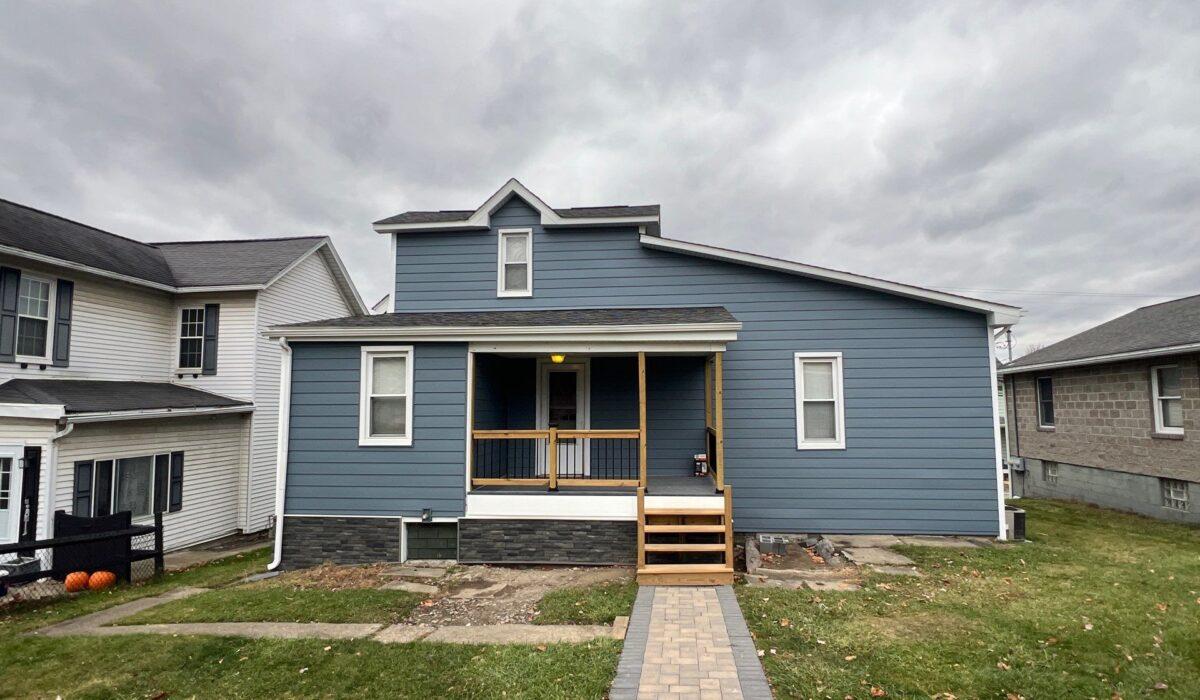
Your home’s siding does a lot more than make the outside look nice—it’s actually your home’s first line of defense against moisture, rot, and water infiltration. When installed properly, siding works as part of a larger system designed for siding protection, keeping your structure dry, energy efficient, and safe for decades to come.
In this post, we’ll break down how siding protects your home from water damage, why the moisture barrier underneath is just as important, and how to ensure your siding stays weather-resistant through the years.
Why Water Is the Enemy of Your Home’s Exterior
Water is sneaky. It can creep in through tiny gaps, cracks, or improperly sealed seams—and once inside, it can cause serious problems like:
-
Wood rot in structural framing
-
Mold and mildew growth
-
Damaged insulation
-
Crumbling drywall
-
Swollen window or door frames
-
Peeling paint and siding warping
Even a small leak that goes unnoticed for months can turn into a costly repair. That’s why preventing water damage with quality siding and proper installation is so important.
The Role of Siding in Water Protection
Siding acts as your home’s outer shield, taking the brunt of rain, snow, wind, and humidity. But siding alone isn’t waterproof—it’s designed to shed water, not block it entirely. Think of it like a raincoat: it keeps most water out, but underneath, there’s another layer for added protection.
Here’s how siding plays its part in siding protection:
✅ Diverts Water Away from the Walls
Modern siding systems—especially when properly flashed around windows, doors, and joints—are designed to guide water down and away from the home.
✅ Expands and Contracts with the Weather
High-quality, weather-resistant siding is built to handle the natural expansion and contraction caused by temperature changes, which helps maintain a tight seal over time.
✅ Protects the Structural Framing
When siding is installed correctly, it acts as a durable, breathable barrier that keeps the internal structure of your home dry and stable.
The Hidden Hero: The Moisture Barrier
What you don’t see behind your siding is just as important. A moisture barrier, often referred to as house wrap or underlayment, sits between the siding and the sheathing. This layer plays a crucial role in preventing water damage and is required by building codes in most areas.
The Moisture Barrier Does Three Main Things:
-
Blocks Water Infiltration:
If wind-driven rain gets behind your siding, the barrier stops it from reaching the wood framing. -
Allows Moisture to Escape:
Quality barriers are vapor-permeable, meaning trapped moisture inside the wall can evaporate outward—reducing the risk of mold and rot. -
Improves Energy Efficiency:
When combined with insulation, this barrier helps reduce drafts and keeps conditioned air inside your home.
Pro Tip: At Bella Construction, we always use premium house wrap and flashing tape to ensure your siding project doesn’t just look good—it performs for the long haul.
Common Causes of Water Damage Behind Siding
Even with the best materials, poor installation can lead to serious issues. Here are a few common problems we see during inspections:
-
Missing or improperly installed flashing
-
Gaps between siding panels
-
Cracked or aged caulking
-
Siding installed too close to the ground
-
No house wrap or deteriorated underlayment
These might seem like small oversights, but over time, they create perfect entry points for water—and major headaches for homeowners.
What Makes Siding Truly Weather-Resistant?
When you’re shopping for new siding, look for features that contribute to weather-resistant performance:
-
Water-shedding design: Products like vinyl and fiber cement are built with overlapping profiles to direct water away.
-
Resistant to swelling and rot: Especially important for areas that experience freeze/thaw cycles.
-
Impact-resistant: To handle hail or wind-blown debris without cracking.
-
Fade-resistant coatings: Helps siding look newer, longer, even with harsh sun exposure.
But the most important factor? Proper installation. Even the best siding won’t protect your home if it’s installed incorrectly.
How to Make Sure Your Siding Is Doing Its Job
To get the full benefit of siding protection, we recommend the following:
✅ Hire a Professional Installer
DIY installation often misses critical steps like flashing or sealing—leading to early failure. Bella Construction’s crews follow manufacturer guidelines and local codes to the letter.
✅ Inspect Annually
Check your siding once a year for cracks, warping, or signs of moisture infiltration. Also, look around windows and doors where leaks often occur.
✅ Don’t Delay Repairs
If you see swelling boards, bubbling paint, or mildew smells inside—get it checked. Quick action can prevent major repairs.
Final Thoughts
Replacing or upgrading your siding is more than a cosmetic improvement—it’s a smart move to protect your home from water damage. A full siding system with a properly installed moisture barrier helps your home stay dry, efficient, and protected through every season.
At Bella Construction, we treat every siding job as a long-term investment. Our team uses weather-resistant materials, expert installation practices, and premium underlayment to make sure your home stays beautiful and protected—rain or shine.
📞 Call us at 724-515-5163 to schedule your free siding inspection.
🌐 Visit us at www.mybellaroof.com and learn more about our siding services.
Let’s make your home watertight, energy-efficient, and ready for anything Mother Nature throws your way.

Bella Blog
Welcome to Bella Construction & Developement Inc., where excellence meets affordability in the realm of construction services.