
When most homeowners think about their roof, they usually picture shingles, flashing, gutters, or maybe even the color of their new asphalt shingle roof. But what’s going on underneath—especially in your attic—plays a much bigger role in your roof’s performance than most people realize.
Welcome to Roof Ventilation 101, where we break down why attic temperature matters, how airflow actually works, and why poor ventilation can void shingle warranties, cause sky-high AC bills, and shorten the life of your entire roofing system.
If you’ve ever wondered why roofing contractors talk so much about soffit vents, ridge vents, and airflow, keep reading—because this is one home improvement topic that can save you thousands.
What Is Roof Ventilation, Exactly?
Roof ventilation is the system that allows air to move in and out of your attic. A properly installed ventilation system includes:
-
Intake vents (usually in the soffit)
-
Exhaust vents (usually at the ridge)
These two work together to create continuous airflow.
Warm air naturally rises, so hot, moist air flows out of the ridge vent while cooler, dry air gets pulled in through the soffits. This steady cycle keeps your attic temperature regulated and moisture levels low.
Without that airflow?
Your attic becomes an oven in the summer, a moisture trap in the winter, and a breeding ground for roofing problems all year long.
Why Attic Temperature Matters So Much
1. Heat Can Destroy Your Shingles From the Inside Out
In the summer, a poorly ventilated attic can reach 150–170°F.
That’s hotter than the outside air, hotter than your roof surface, and definitely hotter than your shingles are designed to handle long-term.
What does extreme attic heat do?
-
Bakes shingles prematurely
-
Causes them to curl, crack, and blister
-
Breaks down your underlayment
-
Weakens your roof decking
-
Voids most manufacturer warranties
Yep—bad ventilation is one of the top reasons shingle warranties get denied.
Most major shingle manufacturers (like Owens Corning, GAF, and CertainTeed) clearly state:
“If the attic isn’t properly ventilated, the warranty may not apply.”
That’s one reason Bella Construction checks ventilation during every roof installation—we’re not just putting on shingles; we’re protecting your investment.
2. Moisture Problems Can Ruin Your Attic
In the winter, warm air from your home rises into the attic. Without proper ventilation, this humid air gets trapped.
Moist air + cold roof decking = condensation.
And condensation leads to:
-
Mold and mildew
-
Rusted nails
-
Wet insulation
-
Rotting wood
-
Stained ceilings
Your attic should never smell musty, feel damp, or show signs of frost in the winter. Those are all ventilation red flags.
3. Poor Ventilation Spikes Your Energy Bills
A hot attic doesn’t just damage shingles—it heats your entire home.
When the attic temperature climbs, the heat transfers through your ceiling and ductwork, forcing your AC to work overtime. That gas or electric bill that seems too high in July? Your attic might be the culprit.
Proper ventilation:
-
Keeps your attic cooler
-
Reduces household heat transfer
-
Helps your AC run more efficiently
-
Saves money every summer
Some homeowners see 10–20% lower cooling costs after improving ventilation.
4. Ice Dams Happen When Ventilation Is Wrong
Here in Western PA, we know winter weather well.
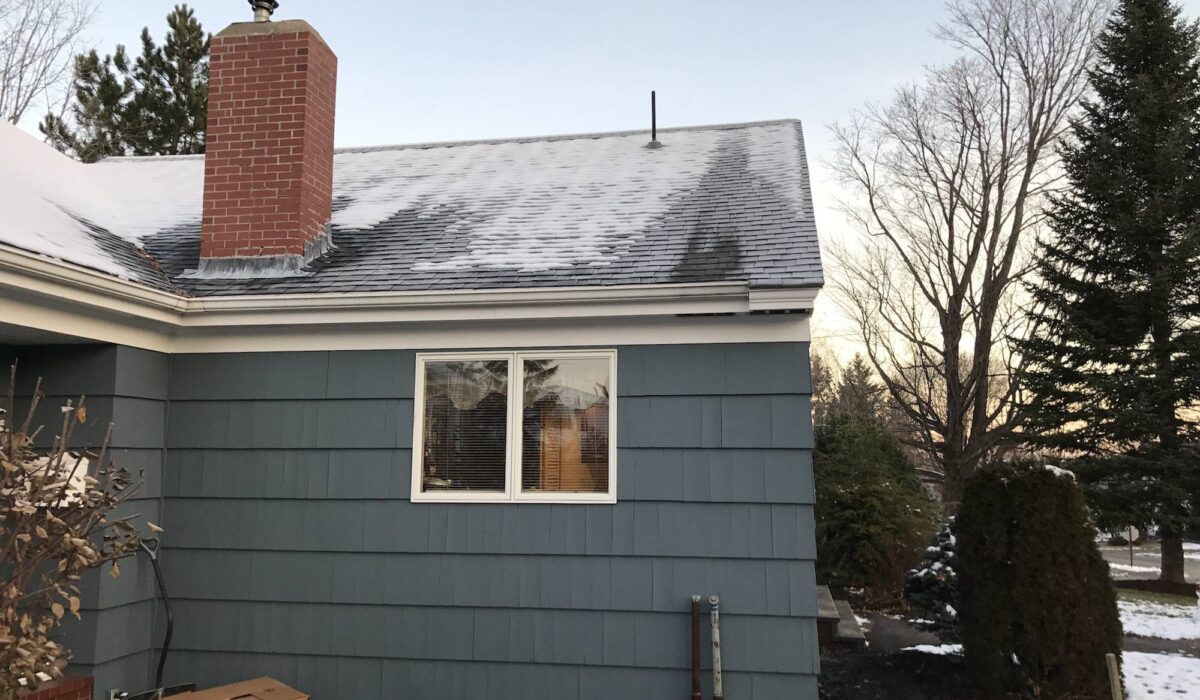
Ice dams form when warm attic air melts the snow on your roof, which then refreezes at the edges.
Proper ventilation keeps the roof temperature consistent—preventing melting and refreezing cycles. That means:
-
No ice dams
-
No backed-up water
-
No leaks
-
No damage to your roof decking or gutters
Ice dam prevention starts in the attic—not on the roof.
How Proper Ventilation Actually Works
A ventilation system is only effective if the intake and exhaust are balanced.
Intake Vents (Under the Soffits)
These let cool air enter the attic.
Without intake, the exhaust vents can’t do their job.
Exhaust Vents (At the Ridge or in the Roof)
These release warm, moist air from the attic.
When Balanced, They Create a Natural Airflow System
Cool air in → hot air out.
All-day, every day, without needing electricity.
This airflow does three things:
-
Controls heat
-
Controls moisture
-
Extends the life of your roofing materials
If one side is missing or underperforming?
The whole system breaks down.
Signs Your Attic Isn’t Ventilating Properly
Homeowners often don’t realize they have ventilation issues until damage appears. Here’s what to watch for:
-
High energy bills
-
Hot second floors in summer
-
Musty attic smells
-
Mold on rafters or insulation
-
Frost in the attic during winter
-
Curling shingles
-
Peeling exterior paint
-
Ice dams at the roof edge
-
Rusted roofing nails
-
Excessively hot attic temperatures
If you’re seeing any of these, it’s time for a ventilation inspection.
The “Warranty Issue” Most Homeowners Don’t Know About
As mentioned earlier, poor ventilation is one of the leading causes of:
❌ Denied shingle warranties
❌ Premature roof failure
❌ Heat-caused shingle blistering
❌ Decking damage
Manufacturers require proper ventilation because shingles can’t handle extreme attic temperatures over time. If ventilation is inadequate, shingle life expectancy drops dramatically.
At Bella Construction, we always check ventilation as part of any roof replacement or roof inspection—because a beautiful roof doesn’t matter if it’s not protected from the inside out.
How Bella Construction Ensures Proper Ventilation
Every roofing project is different. That’s why Bella Construction:
-
Evaluates existing soffit vents
-
Checks for blocked, painted-over, or obstructed vents
-
Installs continuous ridge vents
-
Balances intake and exhaust
-
Replaces damaged or non-vented soffit panels
-
Ensures each roof meets manufacturer ventilation requirements
We build roofing systems—not just roofs. Ventilation is a huge part of that.
Final Thoughts: Your Attic Temperature Isn’t “Just an Attic Thing”
Attic ventilation isn’t something you can see when you pull into the driveway, but it has one of the biggest impacts on:
-
Energy efficiency
-
Roof lifespan
-
Manufacturer warranties
-
Moisture control
-
Comfort inside your home
-
Long-term cost savings
If your attic feels like a sauna in summer or you’re dealing with ice dams in winter, it’s time to take ventilation seriously.
Bella Construction can inspect your attic, evaluate airflow, and make sure your roofing system is protected from the inside out—before small issues turn into expensive repairs.

Bella Blog
Welcome to Bella Construction & Developement Inc., where excellence meets affordability in the realm of construction services.