
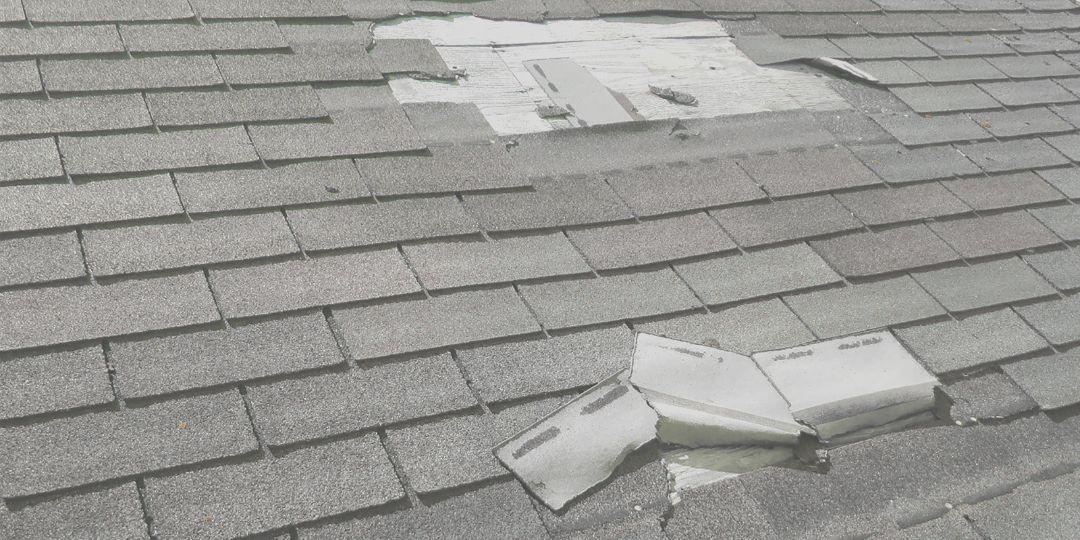
When a storm hits your roof, filing an insurance claim can feel like learning a new language. You’re suddenly dealing with terms like deductible, depreciation, RCV, and ACV—and each one affects how much money you’ll actually receive to repair or replace your roof.
At Bella Construction, we’ve guided thousands of Western Pennsylvania homeowners through this process. One of the biggest points of confusion we see is understanding the difference between Actual Cash Value (ACV) and Replacement Cost Value (RCV). Knowing how these two coverage types work can help you make better financial decisions, avoid surprises, and ensure your home gets the full restoration it deserves.
Let’s break it down in simple terms.
What Is “Actual Cash Value” (ACV)?
Think of Actual Cash Value as the garage sale value of your roof.
It represents what your roof is worth today after accounting for depreciation—which is the loss of value over time due to age, wear and tear, and weather exposure.
In other words, ACV coverage only pays for what your old roof is worth right now, not what it would cost to replace it with a new one.
Example:
Let’s say your roof was installed 15 years ago and has a 30-year lifespan. That means your roof has lost about 50% of its value.
If it costs $20,000 to replace your roof today, your insurance company might calculate that your existing roof is worth only $10,000 after depreciation. If your deductible is $1,000, your insurance check would be $9,000.
That leaves you paying the rest—another $11,000 out of pocket—to get a new roof.
That’s why ACV policies can lead to some major sticker shock after storm damage. They’re typically cheaper month to month but cost more when you actually need to make a claim.
What Is “Replacement Cost Value” (RCV)?
Now, Replacement Cost Value (RCV) coverage is the gold standard when it comes to roof insurance.
With RCV, your insurance company pays to replace your damaged roof with a brand-new one of similar kind and quality—without deducting for depreciation.
Here’s how it works:
-
After a storm, your insurance adjuster and your contractor (like Bella Construction) inspect the damage and estimate the full replacement cost.
-
The insurance company issues an initial payment—typically the ACV amount (the depreciated value).
-
Once the roof is replaced and you provide proof of completion (like Bella’s final invoice and photos), your insurance releases the remaining funds—the recoverable depreciation—bringing you up to the full RCV amount.
Example:
If your roof replacement costs $20,000 and your deductible is $1,000, your insurance may first pay $9,000 (ACV). After the work is completed, they’ll send another $10,000 in recoverable depreciation, leaving you to pay only your $1,000 deductible.
With RCV, your policy truly makes you whole again—covering the full cost of your replacement instead of leaving you with a big financial gap.
The Key Difference: Depreciation
The main difference between ACV and RCV boils down to depreciation—and whether you get that money back.
-
ACV = Replacement cost minus depreciation
-
RCV = Replacement cost plus recoverable depreciation
In short:
-
ACV = You pay more out of pocket.
-
RCV = You get a full roof replacement with minimal cost beyond your deductible.
Why Do Insurance Companies Offer Both?
Insurance companies offer both ACV and RCV policies to give homeowners options—and to manage their own risk.
-
ACV policies come with lower monthly premiums because they limit how much the insurer pays when a claim happens.
-
RCV policies cost a bit more each month but provide far better protection when you need it.
For many homeowners, that small premium difference can mean thousands of dollars in savings after a major storm.
At Bella Construction, we’ve seen too many homeowners surprised to learn their policy only covers ACV. That’s why we always encourage you to review your coverage before storm season hits.
How to Tell Which Coverage You Have
You can usually find this information in your declarations page—the first section of your homeowners insurance policy.
Look for terms like:
-
“Actual Cash Value”
-
“Replacement Cost Value”
-
“Recoverable Depreciation”
If it’s unclear, call your insurance agent and ask directly:
“Is my roof covered for actual cash value or replacement cost?”
This simple question can save you from unexpected costs down the road.
How Bella Construction Helps During the Process
At Bella Construction, we’re more than just your roofing contractor—we’re your advocate through the storm restoration process.
Here’s how we help make the process transparent and stress-free:
-
Detailed Inspection: We start with a full roof inspection to identify all storm-related damage.
-
Insurance Documentation: We document everything with photos and clear reports to make your claim straightforward.
-
Direct Communication: We coordinate with your insurance adjuster to ensure all necessary repairs are approved.
-
Quality Materials & Craftsmanship: We use high-quality shingles, underlayment, and flashing systems so your new roof stands the test of time.
-
Warranty & Support: Every project includes Bella’s 2-Year Labor Warranty and our commitment to priority service beyond that period.
We’ve been helping Western Pennsylvania homeowners navigate roof insurance claims for over 30 years. You can trust us to make sure you’re getting what your policy promises.
Common Misconceptions About Roof Claims
Myth #1: “The insurance company will automatically pay for a full roof replacement.”
Not always. They’ll pay based on your policy type (ACV vs. RCV) and the extent of damage documented.
Myth #2: “My deductible is optional.”
Your deductible is always your responsibility—it’s the portion you pay before insurance kicks in.
Myth #3: “I have to use the insurance company’s contractor.”
False. You have the right to choose your own roofing contractor. Choosing a reputable, local company like Bella Construction ensures quality workmanship and proper installation.
Choosing the Right Coverage for Peace of Mind
If your policy only covers ACV, you might want to ask your insurance agent about upgrading to RCV coverage. The difference in your premium may be small compared to what you’d save if a storm damages your roof.
A roof isn’t just part of your home—it’s your first line of defense against the elements. Making sure it’s properly insured gives you true peace of mind.
Final Thoughts
Understanding your policy is the first step toward protecting your home and your wallet.
At Bella Construction, we believe in transparency, education, and advocacy for every homeowner we serve. Whether you’re filing a roof claim or just want to prepare for the future, our team is here to help you decode the fine print and make confident decisions.
If you suspect storm damage or just want a free roof inspection, give us a call at 724-515-5163 or visit www.mybellaroof.com.
We’ll guide you through the process from start to finish—because at Bella Construction, we treat your home like it’s our own.

Bella Blog
Welcome to Bella Construction & Developement Inc., where excellence meets affordability in the realm of construction services.