
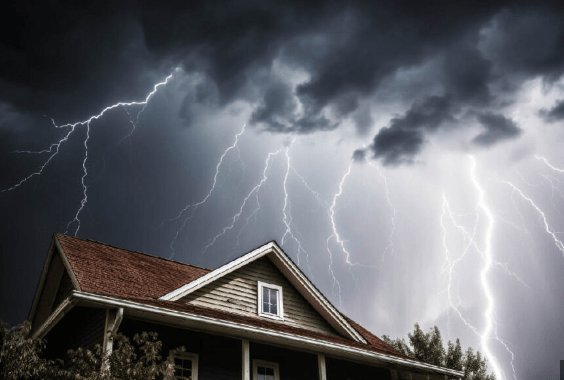
When a storm hits—whether it’s hail, heavy winds, or a sudden downpour—homeowners are often left facing the daunting question: “Can my insurance cover this?” The short answer is yes, in many cases, storm damage can be covered under your homeowners insurance policy. However, the process isn’t always straightforward, and understanding your coverage, responsibilities, and steps to take after damage occurs can make the claims process much smoother.
Understanding Storm Damage Coverage
Homeowners insurance policies typically include protection for “perils”, which are events that can cause damage to your property. Storms are usually classified as a covered peril, but the type of damage matters.
Common types of storm damage covered by insurance include:
-
Hail damage – dents in metal, broken windows, damaged siding, or roof shingles
-
Wind damage – torn-off shingles, damaged gutters, broken tree limbs impacting the house
-
Flooding – standard homeowners policies generally do not cover flooding; separate flood insurance is required
-
Fallen trees – if a tree falls on your home or structure, repairs are typically covered
-
Water intrusion from roof damage – water leaks caused by a covered storm event may be included
It’s essential to read your policy carefully and understand your deductible, coverage limits, and exclusions. Some policies may have wind and hail deductibles, which are higher than your standard deductible.
Steps to Take After Storm Damage
If your home suffers storm damage, acting quickly and methodically can save time, money, and headaches. Here’s a step-by-step guide:
1. Ensure Safety First
Before inspecting your property, make sure it’s safe. Avoid standing near fallen trees, downed power lines, or compromised structures. Safety comes first—don’t risk injury just to document damage.
2. Document the Damage
Take photos and videos of all affected areas, including your roof, siding, windows, gutters, and landscaping. This documentation is crucial for your insurance claim. Be thorough—insurance adjusters will want to see the full extent of the damage.
3. Review Your Policy
Look at your homeowners insurance policy to understand your coverage, limits, and deductibles. Note any special requirements, such as prompt reporting or the need to mitigate further damage.
4. Contact Your Insurance Company
Notify your insurance provider as soon as possible. Most insurers have a 24/7 claims line or online portal. Provide all the details, including the type of storm, when it occurred, and the areas of your home affected.
5. Mitigate Further Damage
Most policies require homeowners to take reasonable steps to prevent additional damage. This could include covering broken windows with plywood, placing a tarp over a damaged roof, or removing debris. Keep receipts for any temporary repairs—they may be reimbursable.
How the Insurance Claim Process Works
Once your claim is filed, the insurance company typically follows a structured process:
1. Initial Claim Assessment
After you report the damage, the insurance company assigns a claims adjuster to inspect your home. This professional evaluates the damage, determines what is covered under your policy, and estimates repair costs.
2. Inspection
The adjuster will often schedule an on-site inspection, reviewing:
-
Roof and shingles
-
Siding and exterior walls
-
Windows and doors
-
Gutters and downspouts
-
Interior damage (from leaks or structural issues)
Some adjusters may use drones or infrared cameras to identify hidden damage, especially on roofs.
3. Damage Estimate
The adjuster will prepare a detailed report outlining covered repairs, exclusions, and replacement costs. They may also recommend whether partial repairs are sufficient or if full replacement is necessary.
4. Claim Approval
Once the adjuster’s report is complete, the insurance company reviews it and issues an approval or denial of the claim. If approved, you’ll receive a payout or direct payment to your contractor, depending on your policy.
Choosing the Right Contractor for Storm Damage Repairs
Working with a trusted, licensed contractor is essential to ensure repairs are done correctly and that your insurance claim goes smoothly. A professional roofing or exterior remodeling contractor can:
-
Help document and assess storm damage
-
Communicate with insurance adjusters
-
Provide detailed repair estimates
-
Perform repairs according to local building codes and manufacturer warranties
Some contractors, like Bella Construction, specialize in insurance storm restoration and have extensive experience dealing with adjusters, ensuring homeowners get the coverage they deserve.
Common Challenges in Insurance Storm Damage Claims
While insurance can cover storm damage, homeowners sometimes encounter obstacles, such as:
1. Disputed Damage
Insurance adjusters may underestimate the extent of damage or deny certain repairs. Having your contractor provide detailed documentation can help support your claim.
2. Coverage Limits
Your policy may have a maximum payout for certain types of damage. Understanding your limits beforehand helps manage expectations.
3. Deductibles
High deductibles, especially for wind and hail, can affect how much your insurance pays. If the damage is minor, it may not exceed your deductible.
4. Hidden Damage
Sometimes damage isn’t immediately visible—such as water leaks under shingles or siding. It’s important to have a thorough inspection to avoid future issues.
Tips for a Smooth Insurance Process
To make sure your storm damage repair claim goes as smoothly as possible:
-
Document everything – photos, videos, and receipts
-
File your claim quickly – most policies have time limits
-
Communicate clearly – keep detailed records of phone calls, emails, and reports
-
Work with experienced contractors – professionals know how to handle insurance claims efficiently
-
Stay proactive – don’t wait for the adjuster to discover all damage; provide your own evidence
When Repairs May Not Be Covered
Not all storm-related damage is automatically covered. Here are some examples:
-
Neglect or lack of maintenance – roofs already in poor condition may not be fully covered
-
Flood damage – standard policies exclude flooding
-
Cosmetic damage – minor dents or superficial marks may not meet the insurance company’s threshold
-
Wear and tear – damage from age or prior deterioration typically isn’t covered
Understanding these exceptions will prevent surprises during the claims process.
Conclusion
Storm damage can be stressful, but knowing how homeowners insurance works and the steps to take after a storm can make a huge difference. Most policies do cover storm-related damage, but the key is prompt action, thorough documentation, and working with experienced professionals to ensure repairs are done properly and your claim is handled efficiently.
At Bella Construction, we specialize in helping homeowners in Western PA navigate storm damage repairs and insurance claims. With over 30 years of experience and thousands of successful projects, we can guide you through the process, document your damage, and ensure your home is restored to its best condition.
✅ Need help with storm damage repairs or insurance claims?
Call Bella Construction today at 724-515-5163 or visit www.mybellaroof.com for a free estimate. Don’t wait—storm damage can worsen over time, and the sooner you act, the better.

Bella Blog
Welcome to Bella Construction & Developement Inc., where excellence meets affordability in the realm of construction services.