
- By Bella Blog
- Roofing
- 0 Comment
Why Is the Freeze Thaw Cycle One of the Biggest Threats to Roof Longevity
The freeze thaw cycle may not grab immediate attention like hail or wind storms, but it is one of the most destructive and persistent threats to the long term performance of any roofing system in cold climates. As temperatures shift between freezing and thawing, roofing materials experience repeated expansion and contraction that slowly weakens their structural integrity.
Without proper protection, the freeze thaw cycle can silently damage a roof season after season, leading to leaks, reduced insulation performance, and premature roof failure. Homeowners and commercial property managers in Western Pennsylvania must stay alert, as this region experiences frequent freeze thaw cycle activity throughout the winter months. Regular roof inspections help identify early damage before it becomes costly.
What Is the Freeze Thaw Cycle and How Does It Affect Roofing Systems
A freeze thaw cycle occurs when moisture on or within roofing materials freezes during cold temperatures and then thaws when conditions warm. When water freezes, it expands by about nine percent, placing significant pressure on shingles, membranes, flashing, and roof decking.
As the freeze thaw cycle repeats, this expansion and contraction causes micro cracks, joint separation, and gradual material breakdown. Over time, the cumulative effect reduces roof performance, increases the likelihood of water infiltration, and shortens the overall service life of the roofing system.
Common Roof Damage Caused by the Freeze Thaw Cycle
The freeze thaw cycle can trigger several types of roof damage. Cracked or broken shingles, popped nails, and deteriorated flashing are among the most common issues. Asphalt shingles often lose protective granules, leaving the underlying mat vulnerable to ultraviolet exposure and moisture intrusion.
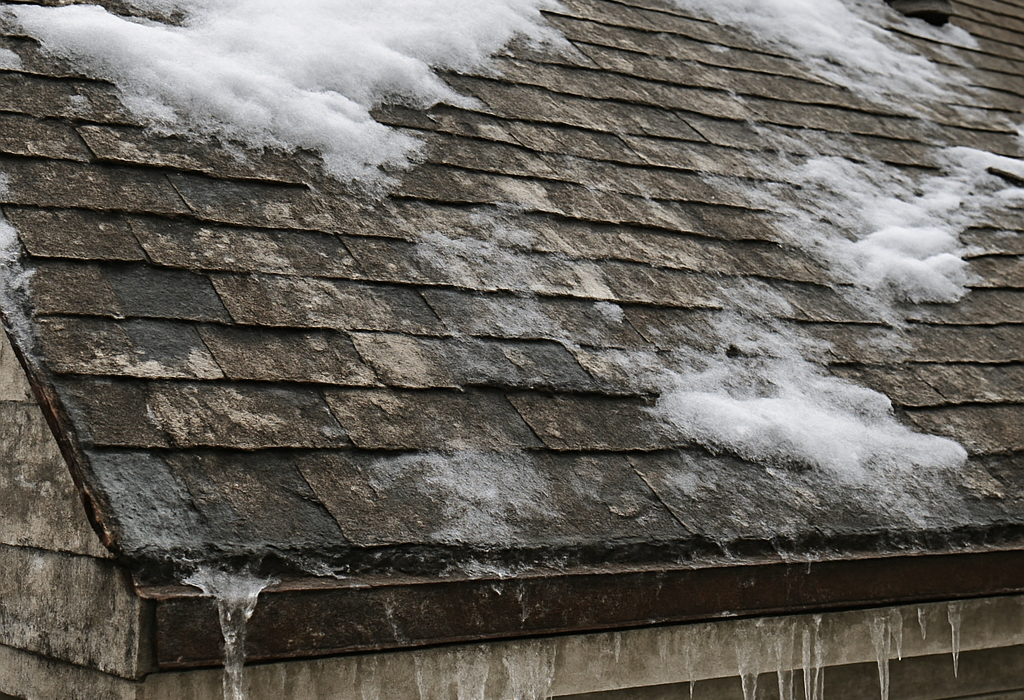
Ice dams are another frequent result of the freeze thaw cycle. These form when melting snow refreezes at the roof edge, forcing water back under roofing materials. Metal and membrane roofs may also experience loosened seams and fasteners, reducing their ability to keep water out and maintain insulation performance.
Why Roofs in Western Pennsylvania Face Higher Freeze Thaw Risk
Western Pennsylvania experiences wide temperature swings combined with frequent precipitation, creating ideal conditions for repeated freeze thaw cycle activity. Roofs in this region endure more cycles each winter compared to roofs in milder climates, increasing long term stress on materials.
Older buildings, steep roof slopes, and a mix of residential and commercial structures further elevate risk. While local building codes require weather resistant materials, even high quality roofing systems depend on proper installation and ongoing maintenance to withstand years of freeze thaw cycle exposure.
Warning Signs That the Freeze Thaw Cycle Is Affecting Your Roof
Early detection of freeze thaw cycle damage plays a major role in extending roof life. Common warning signs include new leaks after winter, cracked or curling shingles, and excessive granule buildup in gutters. Soft spots or sagging areas in the roof deck may also indicate moisture damage.
Other indicators include ice dams or large icicles along the eaves, water stains on ceilings, damp attic insulation, and rusted or loose flashing. Addressing these symptoms early can prevent further deterioration and costly structural repairs.
How Roofing Professionals Reduce Freeze Thaw Cycle Damage
Roofing professionals help limit freeze thaw cycle damage through careful material selection, precise installation, and proactive maintenance. This includes using weather rated shingles or metal systems, installing durable underlayment and moisture barriers, and ensuring proper attic insulation and ventilation. Choosing the right roofing contractor is crucial for addressing these specific challenges.
Protective solutions such as GACO silicone or elastomeric roof coatings add another layer of defense by sealing vulnerable areas where water can penetrate and freeze. Regular professional inspections and timely repairs ensure small freeze thaw cycle issues do not develop into major failures.
What Property Owners Can Do to Protect Roofs From the Freeze Thaw Cycle
Property owners can take several proactive steps to reduce freeze thaw cycle impact. Annual roof inspections before and after winter help identify early stress and damage. Keeping gutters and downspouts clear reduces ice dam formation and water buildup along the roof edge.
Improving attic insulation and ventilation minimizes uneven melting and refreezing, which intensifies freeze thaw cycle stress. For aging roofs, protective coatings or targeted repairs can significantly delay full replacement while maintaining performance.
When Freeze Thaw Cycle Damage Requires Roof Replacement
Eventually, repeated freeze thaw cycle exposure can cause damage beyond repair. Signs that replacement is necessary include widespread shingle failure, ongoing leaks, visible sagging, and extensive mold or rot in roof decking or attic spaces.
Postponing replacement at this stage often leads to interior water damage, reduced energy efficiency, and higher long term costs. Working with an experienced contractor ensures a new roof is designed to withstand continuous freeze thaw cycle conditions.
Choosing the Right Contractor for Freeze Thaw Cycle Conditions
Selecting a contractor with proven experience in local climate challenges is essential for long term roof performance. Look for licensed and insured professionals who install products rated for freeze thaw cycle resistance and who offer strong material and workmanship warranties.
Trusted contractors like Bella Construction & Development Inc. provide detailed inspections, clear estimates, and expert guidance on material selection and maintenance planning. Their understanding of regional freeze thaw cycle risks ensures durable roofing solutions.
Protecting Your Roof Against the Freeze Thaw Cycle
The freeze thaw cycle is an ongoing threat to roof longevity in Western Pennsylvania, but informed property owners can significantly extend roof life with the right approach. Regular inspections, quality materials, and professional installation form the foundation of a resilient roofing system.
By staying proactive with maintenance and partnering with experienced professionals, homeowners and property managers can protect their roofs, maintain energy efficiency, and gain peace of mind through every freeze thaw cycle.
Contact Information
Location:
- 10561 Center Hwy, Irwin, PA 15642, USA
E-mail:
- info@mybellaroof.com
Phone:
- 724-515-5163
With Bella, you’ll get energy efficiency improvements, reduced energy waste, and a home that’s safer, more comfortable, and more beautiful.
Thinking about your next project?

Bella Blog
Welcome to Bella Construction & Developement Inc., where excellence meets affordability in the realm of construction services.