
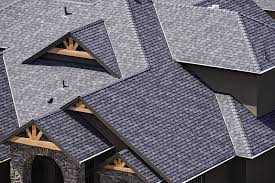
Updated July 2026. Fiberglass roof shingles are what nearly every modern asphalt shingle actually is: a woven fiberglass mat coated in asphalt and topped with mineral granules. They are lighter, more fire resistant, and more dimensionally stable than the old organic mat shingles they replaced. Here is what that means for your roof, from an Owens Corning Platinum Preferred installer.
Fiberglass roof shingles are asphalt shingles built on a woven fiberglass mat instead of the old paper based organic mat, and they’re better in nearly every way: they last 25 to 30 years, carry a Class A fire rating, weigh about 20 percent less, and resist the curling and moisture damage that killed organic shingles. Here’s the part that surprises most homeowners: if your roof was installed in the last 15 to 20 years, you almost certainly have fiberglass shingles already, because organic shingles were phased out of production by the early 2010s.
So the real question isn’t whether fiberglass shingles are good. It’s understanding what you’re buying and how to get the most out of it. We’ve installed thousands of fiberglass shingle roofs across Western PA since 1995, so let us walk you through it.
What Are Fiberglass Roof Shingles?
Every asphalt shingle starts with a mat, the skeleton that gives it strength. In a fiberglass shingle, that mat is a thin sheet of woven glass fibers. The mat gets coated in weathering grade asphalt, and the top surface is embedded with ceramic coated mineral granules that block UV rays and give the shingle its color.
The older alternative was the organic shingle, which used a mat of recycled paper and wood fiber soaked in asphalt. Organic shingles were heavy and pliable, but the paper core absorbed moisture, and in a climate like ours that was a death sentence. They curled, cracked, and blistered, and manufacturers stopped making them years ago after waves of warranty claims.
Today, both three tab shingles and architectural shingles from every major brand, including Owens Corning, GAF, and CertainTeed, are fiberglass shingles. When a roofer says asphalt shingles in 2026, they mean fiberglass.
Fiberglass vs Organic Shingles: Why Fiberglass Won
If you’re comparing fiberglass vs organic shingles because your older home still has an organic roof from the 1990s or early 2000s, here’s the head to head:
- Moisture resistance. Glass fibers don’t absorb water. Paper does. Our freeze and thaw winters pump moisture into organic mats and then freeze it, splitting shingles apart from the inside. Fiberglass shrugs that off.
- Fire rating. Fiberglass shingles carry a Class A fire rating, the best available. Most organic shingles only managed Class C.
- Weight. A fiberglass shingle roof weighs roughly 2 to 2.5 pounds per square foot versus 3 or more for organic, which is easier on the rafters of older homes.
- Stability. Fiberglass shingles hold their shape in heat and cold, so they lie flat and keep their seal.
- Lifespan. Organic shingles rarely made it past 15 to 20 years here. Fiberglass architectural shingles routinely reach 25 to 30, as we cover in our guide to how long a roof lasts.
If your roof still has organic shingles, it’s living on borrowed time. We find them occasionally on 1950s ranches and older farmhouses around Irwin and Jeannette that got reroofed decades ago, and they’re almost always curled and brittle.
The Benefits That Matter in Western PA
Built for Freeze and Thaw
Between November and March, temperatures around Pittsburgh cross the freezing line dozens of times. Materials that absorb water fail fast in that cycle. A fiberglass shingle roof, paired with ice and water shield at the eaves, handles it as well as any roofing material near its price.
Class A Fire Resistance
The fiberglass mat doesn’t burn the way a paper mat does. Every fiberglass shingle roof we install carries the top fire rating, which some insurers reward with better rates.
Wind and Hail Performance
Modern fiberglass architectural shingles are rated for winds of 110 to 130 mph, and impact rated versions are available for homeowners who’ve been through a rough hail season and want extra protection. Ask about them if you’re near one of the hail corridors that seem to find Westmoreland County every few summers.
Real Value for the Money
An asphalt fiberglass roof costs a third to half what a standing seam metal roof does, and installation takes a day or two instead of a week. Metal lasts longer, and we install plenty of it, but for most budgets fiberglass shingles deliver the best protection per dollar. We compare the two honestly in our asphalt vs metal roof guide.
Energy and Color Options
Lighter colors and reflective granule technology can knock attic temperatures down in the summer, and today’s fiberglass shingles come in dozens of blends that suit everything from a brick ranch to a modern farmhouse.
Are Fiberglass Shingles Good? Our Honest Take
Yes, with one condition: the installation has to be right. The shingle itself is only half the roof. A fiberglass shingle nailed too high, installed over rotten decking, or laid without proper underlayment will fail no matter what the wrapper promised. That’s not a sales line, it’s what we see on tear offs every month.
Brand matters less than people think, but it still matters. The major manufacturers all make good fiberglass shingles, though their warranties and product lines differ in ways worth understanding. Our Owens Corning vs GAF comparison breaks down the differences. We install Owens Corning as a Platinum Preferred contractor, which lets us offer their strongest warranty tiers, coverage that includes workmanship and not just the material.
Getting the Most From a Fiberglass Shingle Roof
A few habits stretch a 25 year roof toward 30:
- Keep gutters flowing so meltwater can’t back up under the first courses in January.
- Make sure your attic ventilation moves air from soffit to ridge, because trapped heat cooks asphalt from below.
- Replace cracked pipe boots and loose flashing early, since those small failures cause most leaks.
- Get an inspection after any hailstorm, even if the roof looks fine from the driveway.
Frequently Asked Questions
How long do fiberglass roof shingles last?
Standard fiberglass architectural shingles last 25 to 30 years in Western PA, and premium lines can push past 30 with good ventilation. Basic three tab fiberglass shingles run shorter, around 15 to 20 years.
Are fiberglass shingles the same as asphalt shingles?
Essentially yes. Nearly every asphalt shingle sold today is built on a fiberglass mat, so the terms overlap. The distinction only matters when comparing against the discontinued organic asphalt shingles found on older roofs.
Are fiberglass shingles good in cold climates?
Yes. They resist the moisture absorption that destroys shingles in freeze and thaw climates like ours. The key is proper installation with ice and water shield along eaves and valleys where ice dams form.
Do fiberglass shingles cost more than regular shingles?
No, because they are the regular shingles now. Expect a full fiberglass shingle roof on an average Western PA home to land somewhere in the low to mid five figures depending on size, pitch, and decking condition.
Ready to See What Your Roof Needs?
Whether you’ve got aging organic shingles that need to go or you just want a straight answer on how much life your current roof has left, we’ll come take a look for free. Bella Construction has served Irwin and the greater Pittsburgh area since 1995. Schedule your free inspection at mybellaroof.com or call 724 515 5163.

Bella Blog
Welcome to Bella Construction & Developement Inc., where excellence meets affordability in the realm of construction services.