
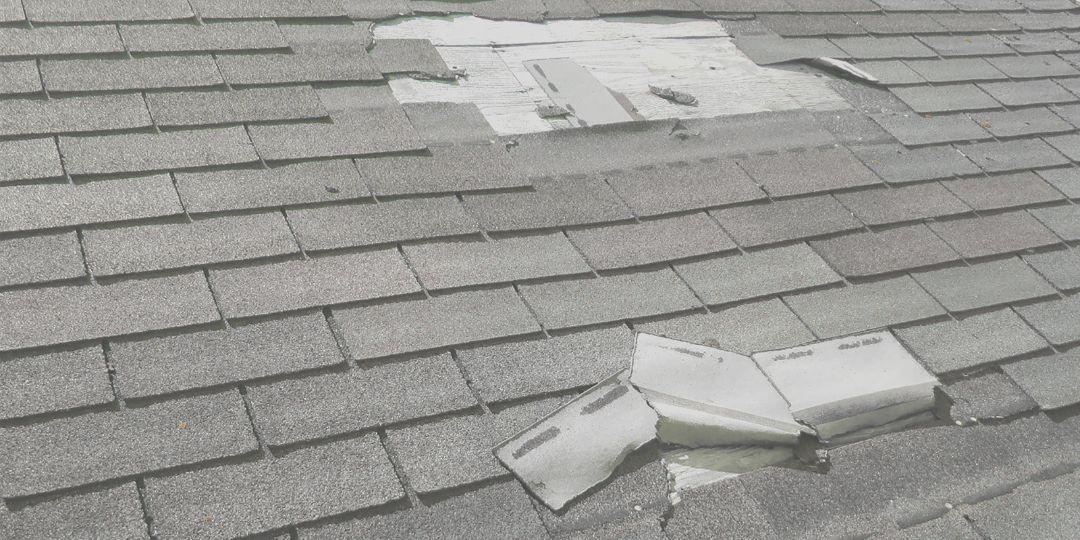
When a major storm hits your home, it’s normal to feel a mix of stress and relief—stress because your property took a beating, and relief because your insurance policy is there to help.
But here’s where things can get confusing: once you file a roof claim, your insurance adjuster schedules an inspection to assess the damage. Many homeowners assume that’s the final word on what gets repaired or replaced.
The truth? You should always have both inspections—one from the adjuster and one from your roofing contractor.
At Bella Construction, we’ve guided thousands of Western Pennsylvania homeowners through the insurance process, and one of the most important lessons we share is this: your adjuster and your contractor have very different jobs. Both are necessary, but only together do they ensure you get the full coverage and repairs your home truly needs.
Let’s break down why that matters—and how Bella makes the process easier.
The Adjuster’s Inspection: Focused on Policy and Payout
Your insurance adjuster represents your insurance company. Their primary job is to:
-
Assess the extent of the damage
-
Determine what’s covered under your policy
-
Estimate the repair or replacement costs based on insurance standards
That means they’re not there to perform a deep dive into your home’s entire exterior system. Their focus is limited to what’s necessary to justify a claim payout.
Adjusters work for the insurance provider, not the homeowner. While many are thorough and professional, their evaluations often depend on:
-
Company guidelines and claim thresholds
-
How visible or obvious the damage is
-
The information they’re given at the time of inspection
If the damage is subtle—like hidden hail dents, lifted shingles, or cracked flashing—it might not be documented or covered unless someone points it out. That’s where your contractor comes in.
The Contractor’s Inspection: Focused on Your Home’s Condition
Your roofing contractor, on the other hand, works for you.
At Bella Construction, our inspections go beyond what an adjuster looks for. We don’t just assess what’s “enough for insurance coverage”—we evaluate everything that affects the integrity, safety, and lifespan of your roofing system and exterior components.
A typical Bella Construction inspection includes a full check of:
-
Roof shingles and underlayment
-
Flashing and roof vents
-
Soffit and fascia boards
-
Gutters and downspouts
-
Siding, window wraps, and trim
-
Any signs of water intrusion or decking damage
We also document small details that might not be immediately visible but are crucial for your home’s long-term health. That includes minor cracks, granule loss, or bent metal pieces that can lead to leaks later on.
This comprehensive approach helps ensure nothing is missed, and that every piece of your exterior system works as it should when the project is complete.
Why You Need Both Inspections
Both inspections serve an important purpose—and when coordinated properly, they protect your home and your finances.
Here’s why you should always have both:
-
Adjusters assess the claim; contractors assess the construction.
The adjuster decides what insurance will pay for, but your contractor determines what needs to be fixed or replaced to properly restore your home. -
Contractors can identify hidden or related damage.
A windstorm might not only lift shingles—it can bend gutters, loosen fascia, or damage the roof’s drip edge. A contractor ensures these related issues are documented and included in the claim. -
Contractors help clarify technical details for adjusters.
Sometimes adjusters are generalists who don’t specialize in roofing systems. Bella’s team can meet on-site during your inspection to point out specific problem areas and explain why they’re storm-related and not simply “wear and tear.” -
You get a fair, accurate scope of work.
When Bella Construction and the adjuster compare notes, the goal is to make sure the insurance estimate matches what your home actually needs—no corners cut, no repairs overlooked. -
You avoid costly surprises later.
If damage is missed early on, it can lead to leaks, rot, or mold months later—issues that may not be covered after the claim closes. Having both inspections ensures your home is fully restored the first time.
What Happens When the Inspections Don’t Match
It’s common for a contractor’s inspection report to include damage that wasn’t listed in the adjuster’s initial assessment.
For example:
-
The adjuster notes missing shingles but overlooks dented gutters or bent fascia.
-
The adjuster approves one slope of the roof but misses hail damage on the opposite side.
-
The adjuster doesn’t include underlayment or flashing replacement, even though it’s required for proper installation and warranty coverage.
When that happens, Bella Construction provides photo evidence, measurements, and professional documentation to submit to your insurance company.
We can also request a reinspection, where we meet with the adjuster on-site to walk through the findings together. This collaborative approach often results in a more complete and accurate claim.
Bella’s Role in the Process
At Bella Construction, we’re your advocate through every step of the storm restoration process.
Here’s how we work with you and your adjuster:
-
Initial Inspection:
We assess all storm-related damage to your roof, siding, gutters, soffit, and fascia. -
Documentation:
We provide a detailed inspection report with photos and notes to support your insurance claim. -
Coordination with Adjuster:
Our team meets the adjuster at your property when possible to ensure all damage is recognized and properly categorized as storm-related. -
Claim Support:
If discrepancies arise, we help you navigate the appeals or supplement process—handling the technical communication so you don’t have to. -
Quality Restoration:
Once approved, we complete your repairs or replacement using high-quality materials and proper installation methods, backed by our 2-Year Labor Warranty and decades of experience.
The result? A fully restored home, insurance handled correctly, and complete peace of mind.
Why Missing Damage Costs You Later
Storm damage isn’t always dramatic. You might not see water spots or broken shingles immediately, but even small cracks or punctures can worsen over time.
If missed during the initial claim, these problems can lead to:
-
Leaks and interior water damage
-
Mold or wood rot in the attic or fascia boards
-
Sagging or overflowing gutters
-
Voided manufacturer warranties if installation steps are skipped
That’s why Bella Construction emphasizes proper inspection and documentation from day one. We make sure your claim reflects the full scope of necessary work—not just the visible damage.
The Bottom Line
Your insurance adjuster and your contractor aren’t in competition—they’re two sides of the same process.
-
The adjuster ensures the claim meets your policy’s requirements.
-
The contractor ensures the work meets your home’s needs.
When both inspections are done thoroughly and communicated clearly, you get the best possible outcome: a fully restored roof and exterior, paid for fairly by your insurance, and installed to last.
At Bella Construction, we bring 30+ years of experience and a reputation for honesty, craftsmanship, and advocacy to every storm restoration project.
If you’ve recently experienced storm damage or your insurance inspection felt incomplete, don’t leave your home’s future to chance.
📞 Call Bella Construction today at 724-515-5163 or visit www.mybellaroof.com to schedule your free, no-obligation inspection.
We’ll review your roof, gutters, soffit, and fascia, work directly with your adjuster, and make sure no detail is missed—because your home deserves a restoration done right the first time.

Bella Blog
Welcome to Bella Construction & Developement Inc., where excellence meets affordability in the realm of construction services.