
- By Bella Blog
- Windows
- 0 Comment
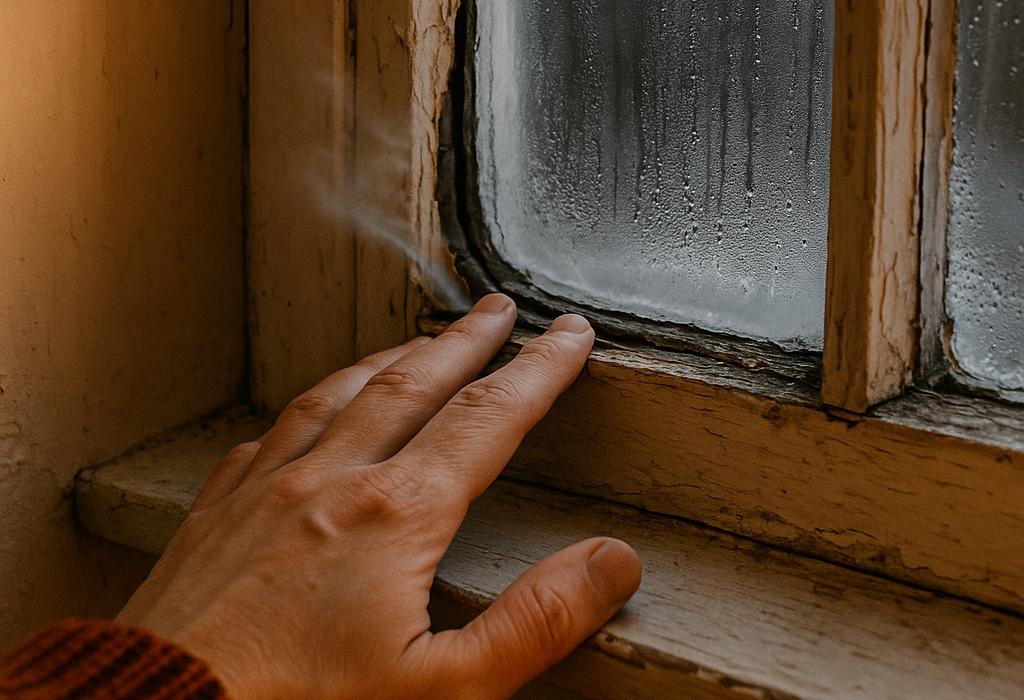
Feeling a chill near your windows could signal anything from a simple weatherstripping fix to a full scale replacement. Understanding the signs you need to replace your windows helps homeowners determine whether a small repair will solve the problem or if new windows are the better long term investment before minor drafts turn into major energy losses and structural damage.
What Are The Signs You Need To Replace Your Windows?
Homeowners often overlook subtle indicators that their windows are failing. Recognizing the signs you need to replace your windows early can prevent higher energy bills, water damage, and costly structural repairs.
Here are the most common signs your windows may need replacement:
Persistent drafts even after sealing or weatherstripping
Condensation or fog between double pane glass
Difficulty opening, closing, or locking windows
Visible frame damage such as rot, warping, or cracks
Rising heating and cooling costs due to energy loss
Outside noise easily entering your home
Windows older than 20 to 25 years
If multiple issues are present, window replacement often provides better long term value than repeated repairs.
The True Cost Of Ignoring Window Warning Signs
When homeowners notice a slight draft around their windows, the natural instinct is often to postpone addressing it. After all, a minor chill seems manageable compared to other home improvement priorities. However, what begins as a seemingly insignificant air leak can quickly escalate into a cascade of costly problems that extend far beyond your immediate comfort. Understanding the true financial and structural implications of ignoring window warning signs is essential for protecting your investment and maintaining your home’s integrity. Recognizing the signs you need to replace your windows early can help you avoid these escalating issues. If you’re unsure whether your windows need attention, here are 5 clear signs that indicate it’s time to replace your windows.
The financial impact of deteriorating windows compounds over time in ways many homeowners don’t anticipate. A single drafty window can increase your heating and cooling costs by 10 to 25 percent annually, translating to hundreds of dollars in wasted energy. Beyond utility bills, moisture infiltration through compromised window seals creates conditions conducive to mold growth, wood rot, and structural damage to surrounding framing and drywall. These secondary damages often cost significantly more to remediate than the original window issues would have cost to address proactively. To understand the full extent of how poorly installed or maintained windows can affect your finances, learn more about the hidden costs associated with subpar window performance.
Perhaps most concerning is the cascade effect that window deterioration triggers throughout your home’s building envelope. As seals fail and frames warp, the structural integrity of the window opening itself becomes compromised. Water damage can extend to insulation, reducing its R value and effectiveness. Interior finishes like paint, trim, and flooring near affected windows may require replacement. In severe cases, prolonged moisture exposure can compromise wall studs and require extensive carpentry work. What started as a draft becomes a multi faceted restoration project that could have been prevented with timely intervention. For a deeper understanding of how energy efficient windows can prevent these issues and improve your home’s comfort, explore the science behind modern window technology and its impact on home comfort.
Diagnosing Window Problems: Repair Worthy Issues Versus Replacement Red Flags
Determining whether your windows need simple repairs or complete replacement requires a systematic assessment of specific indicators. Certain issues are entirely addressable through targeted repairs, while others signal that the window has reached the end of its serviceable life. Understanding these distinctions helps homeowners make informed decisions and allocate their home improvement budgets appropriately. Identifying these warning indicators is one of the most important steps in recognizing the signs you need to replace your windows. To help you make this crucial decision, here’s a comprehensive guide on the 5 signs that indicate your windows need replacing.
Repair worthy issues typically involve components that can be replaced or restored without compromising the window’s structural integrity. These include damaged weatherstripping, which creates drafts but can be easily replaced with new sealing materials. Broken hardware such as locks, cranks, or balances are also excellent candidates for repair, as these mechanical components can be sourced and installed without affecting the window frame or glass. Minor paint deterioration, small cracks in the sash, and single pane glass replacement in otherwise sound frames also fall into the repair category. If your windows are relatively new, less than 15 years old, and the frames remain square, level, and structurally sound, repairs often represent the most cost effective solution.
Conversely, certain red flags indicate that window replacement is the only viable long term solution. Visible condensation between double pane glass layers signals seal failure, which cannot be repaired and compromises both insulation value and visibility. Soft, spongy, or rotted wood in window frames indicates structural deterioration that extends beyond surface level fixes. Windows that no longer open, close, or lock properly due to warped frames represent both energy efficiency and security concerns that repairs cannot adequately address. If you notice daylight visible around closed window sashes, significant drafts even after weatherstripping replacement, or windows that are more than 20 to 25 years old with original single pane glass, these are strong signs you need to replace your windows rather than attempt patchwork repairs. For a quick and easy way to check if your windows are drafty, learn about the simple candle test that can spot air leaks in just 10 seconds.
Additional replacement indicators include difficulty operating windows, which may signal frame distortion or hardware failure that affects multiple components simultaneously. Excessive exterior noise penetration suggests inadequate insulation properties that modern replacement windows can significantly improve. Homeowners planning other exterior renovations should also consider window replacement as part of a comprehensive upgrade, as coordinating these projects often reduces overall labor costs and ensures proper integration of new windows with updated siding, trim, and moisture barriers.
How Failing Windows Impact Energy Efficiency And Utility Bills
The relationship between window condition and energy costs is both direct and substantial, yet often underestimated by homeowners. Windows represent one of the most significant sources of heat transfer in residential buildings, accounting for approximately 25 to 30 percent of heating and cooling energy use. When windows begin to fail through compromised seals, deteriorated frames, or outdated glass technology, this percentage increases dramatically. Recognizing these energy related signs you need to replace your windows can help homeowners reduce unnecessary energy waste. o understand how new, energy-efficient windows can significantly reduce your energy bills, check out this comprehensive guide on energy efficiency and window replacement.
Understanding the mechanisms of energy loss through failing windows helps illustrate why these issues demand prompt attention. Single pane windows or double pane windows with failed seals allow conductive heat transfer, meaning warmth literally conducts through the glass from the warmer side to the cooler side. During Pittsburgh’s cold winters, heated interior air transfers through inefficient windows to the cold exterior, forcing your heating system to work continuously to maintain comfortable temperatures. The reverse occurs during summer months, with exterior heat penetrating inside and overwhelming your cooling system. Air infiltration through gaps, cracks, and deteriorated weatherstripping compounds these issues, allowing conditioned air to escape while unconditioned outdoor air enters your home.
The financial impact of these energy losses becomes clear when examining actual utility cost increases. A typical home with 10 to 15 windows experiencing moderate seal failure and air infiltration can see heating and cooling costs increase by 200 to 500 dollars annually compared to the same home with properly functioning, energy efficient windows. Over a 10 year period, this represents 2000 to 5000 dollars in excess energy costs, often approaching or exceeding the cost of window replacement itself. Modern energy efficient replacement windows with Low E coatings, argon or krypton gas fills, and advanced frame materials can reduce these losses by 40 to 50 percent, creating immediate utility bill savings that help offset the investment cost. For a detailed breakdown of what you can expect to invest in window replacement and the potential returns, explore our comprehensive guide on window replacement costs for 2026.
Beyond direct utility savings, energy efficient windows contribute to whole home comfort and HVAC system longevity. When your heating and cooling systems do not have to compensate for significant window related energy losses, they cycle less frequently, experience reduced wear, and maintain more consistent temperatures throughout your home. This translates to fewer cold spots near windows, reduced temperature fluctuations between rooms, and potentially extended equipment lifespan. For homeowners concerned about their carbon footprint, reducing energy consumption through window upgrades represents one of the most impactful residential sustainability improvements available.
What Do Contractors Look For During A Window Inspection?
A comprehensive professional window assessment goes far beyond simply looking for obvious cracks or drafts. Experienced contractors from companies like Bella Construction and Development Inc. employ systematic evaluation methods that identify both visible problems and underlying issues that homeowners might overlook. This thorough approach ensures accurate diagnosis and appropriate recommendations, whether for targeted repairs or complete replacement. Professional inspections often confirm the signs you need to replace your windows before the problems become more expensive to fix. To ensure you’re asking the right questions and getting the most out of your consultation, here are 9 essential questions to ask prospective replacement window contractors.
The inspection process begins with exterior evaluation of window frames, sills, and surrounding trim. Contractors examine these components for signs of water damage, wood rot, paint failure, and structural deterioration. They assess the condition of caulking and sealants around the window perimeter, checking for gaps, cracks, or areas where the seal has separated from the frame or siding. Properly functioning drainage weep holes are verified to ensure moisture can exit rather than accumulating within the window frame. The contractor also evaluates the window’s integration with your home’s exterior envelope, including flashing, weather barriers, and siding connections that protect against water infiltration.
Interior assessment focuses on operational functionality, seal integrity, and evidence of moisture problems. Contractors test each window’s operation, noting any difficulty opening, closing, or locking, which may indicate frame warping or hardware failure. They examine the glass for condensation between panes, a definitive indicator of seal failure in insulated glass units. The condition of interior trim, sills, and surrounding drywall is assessed for water staining, soft spots, or other evidence of moisture infiltration. Using specialized tools, contractors may perform blower door tests or thermal imaging to identify air leakage patterns and quantify energy losses attributable to specific windows.
Beyond component level assessment, experienced contractors evaluate your windows within the context of your home’s overall age, construction, and your specific needs. They consider factors like window age relative to expected serviceable life, which typically ranges from 15 to 25 years depending on materials and maintenance. Energy efficiency is assessed not just based on current condition but also on whether older technology, even if functioning, meets modern standards for insulation value and solar heat gain control. The contractor also discusses your goals, whether you are addressing immediate problems, planning comprehensive home improvements, or preparing your property for sale, to provide recommendations aligned with your priorities and budget constraints.
Making The Investment Decision: Repair Costs Versus Long Term Replacement Benefits
The decision between repairing existing windows and investing in complete replacement represents one of the most common dilemmas homeowners face when addressing window problems. While repair costs appear more affordable initially, this decision requires careful analysis of long term value, energy savings, and the realistic lifespan of repaired versus new windows. Evaluating these factors helps homeowners determine when the signs you need to replace your windows outweigh the benefits of short term repairs. To help you make an informed decision, compare the pros and cons of vinyl, wood, and composite windows to find the best option for your home.
When evaluating repair costs, homeowners should consider not just the immediate fix but the likelihood of recurring problems. If your windows are 15 to 20 years old and require repairs, there is a strong probability that other issues will emerge within the next few years as additional components reach the end of their serviceable life. This creates a scenario where you are investing in repairs on a depreciating asset that will ultimately require replacement anyway. Industry professionals often recommend the 50 percent rule as a guideline. If repair costs approach or exceed 50 percent of replacement cost and the windows are more than halfway through their expected lifespan, replacement typically offers better long term value.
Replacement benefits extend well beyond addressing immediate problems. New energy efficient windows provide quantifiable utility savings, typically 150 to 500 dollars annually depending on window count, regional climate, and home size. Over a 20 to 25 year lifespan, these savings can total 3000 to 12500 dollars, effectively offsetting a substantial portion of the replacement investment. Modern windows also offer enhanced features that repairs cannot provide such as improved UV protection that reduces fading of interior furnishings, superior noise reduction, easier operation and maintenance, enhanced security features, and aesthetic improvements that boost curb appeal and property value. For homeowners planning to sell within 5 to 10 years, window replacement typically returns 70 to 80 percent of cost through increased home value according to national remodeling cost versus value analyses. To understand how new windows can transform your home’s appearance and value, discover how American homeowners are embracing window replacement as a key home improvement strategy.
Financing considerations also play a crucial role in the decision making process. Companies like Bella Construction and Development Inc. offer flexible financing options that make window replacement accessible even for homeowners with immediate budget constraints. When monthly financing costs are compared against the combination of ongoing repair expenses and energy savings from new windows, replacement often becomes financially comparable to or even more attractive than the repair alternative. Additionally, window replacement projects typically qualify for available energy efficiency tax credits or utility rebates, further improving the financial proposition.
The most prudent approach involves obtaining a comprehensive assessment from experienced professionals who can provide detailed cost comparisons for both repair and replacement scenarios. Request itemized estimates that specify expected lifespan of repairs, projected energy savings from replacement, warranty coverage differences, and financing options. Consider your long term occupancy plans, overall home improvement strategy, and whether addressing windows now prevents more extensive damage to surrounding structures. For most homeowners with windows showing multiple signs you need to replace your windows or approaching 20 years of age, replacement represents the more cost effective long term investment, providing immediate problem resolution, ongoing energy savings, and enhanced home value that repairs simply cannot deliver. If you’re ready to take the next step, learn about how professional installation can maximize the benefits of your window replacement project.
Contact Information
Location:
- 10561 Center Hwy, Irwin, PA 15642, USA
E-mail:
- info@mybellaroof.com
Phone:
- 724-515-5163
With Bella, you’ll get energy efficiency improvements, reduced energy waste, and a home that’s safer, more comfortable, and more beautiful.
Thinking about your next project?

Bella Blog
Welcome to Bella Construction & Developement Inc., where excellence meets affordability in the realm of construction services.