
- By Bella Blog
- Roofing
- 0 Comment
Roof winter damage is one of the most common and costly problems homeowners face during cold weather. Snow and ice may seem harmless at first, but over time they place constant stress on roofing systems, increase moisture exposure, and quietly weaken your home’s first line of defense. Understanding how roof winter damage occurs is the key to preventing long term structural issues and expensive repairs.
How does roof winter damage happen during snow and ice buildup?
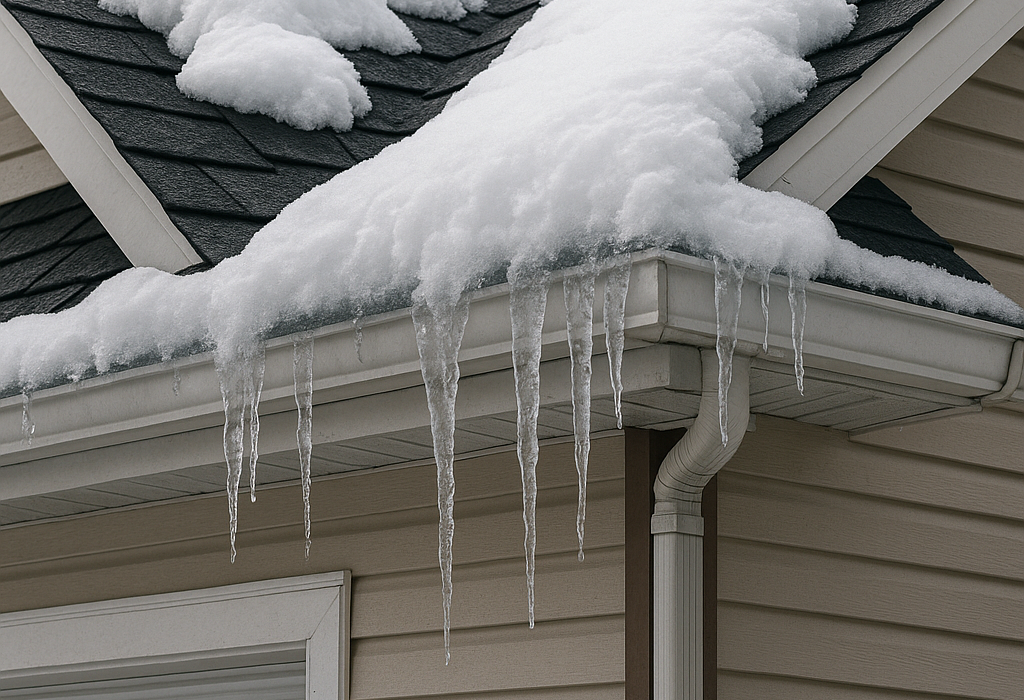
Roof winter damage begins when heavy snow accumulates and ice forms across the roof surface and along the eaves. The weight of snow places added pressure on roofing structures, especially older roofs or those not designed for prolonged winter loads. As temperatures rise and fall, snow melts and refreezes, creating ice dams that trap water on the roof.
This trapped water can work its way beneath shingles, flashing, and roofing layers. Repeated freezing and thawing breaks down the roof’s protective barrier, allowing moisture to reach the decking, insulation, and interior spaces. Over time, this cycle leads to leaks, rot, mold growth, and a shortened roof lifespan. Roof winter damage often progresses quietly, making early awareness essential.
How snow and ice weaken roofing systems over time
Winter precipitation, especially in the form of heavy snow and ice, can exert significant stress on roofing systems. The weight of accumulated snow alone can lead to structural strain, particularly on older roofs or those not designed for high snow loads. Ice formation, especially at the roof’s eaves, can trap water and prevent proper drainage, leading to a process known as ice damming.
As snow melts and refreezes, water can seep under shingles, flashing, or other roofing materials. This freeze-thaw cycling compromises the roof’s waterproof barrier and can result in leaks, wood rot, and insulation damage. Over time, this persistent moisture exposure may even degrade underlayment and structural decking, reducing both performance and lifespan. Signs of trapped moisture under shingles should not be ignored, as they can lead to serious structural issues.
Warning signs of roof winter damage homeowners should not ignore
Recognizing early signs of roof winter damage can prevent major repairs later. Icicles forming along roof edges often indicate heat escaping from the attic and contributing to ice dam formation. Stains or discoloration on ceilings and walls suggest water infiltration caused by melting snow.
Other warning signs include loose or missing shingles after winter storms, sagging gutters weighed down by ice, and damp insulation in the attic. Unusual dripping sounds or musty odors inside the home may also point to hidden roof winter damage. Regular roof inspections can help identify these issues early on.
How to prevent roof winter damage and ice related leaks
Preventing roof winter damage starts with proper attic insulation and ventilation. Ensuring your attic is adequately insulated minimizes heat loss, keeping the roof surface cold and reducing snow melt that can refreeze at the eaves. Ridge and soffit vents promote airflow and help maintain consistent roof temperatures. Understanding why attic ventilation matters is crucial for maintaining your roof’s integrity and preventing ice dams.
Installing water resistant membranes along eaves and valleys adds an extra layer of protection in areas most vulnerable to roof winter damage. Keeping gutters and downspouts clear ensures proper drainage and minimizes ice buildup. In some cases, protective roof coatings can further enhance moisture resistance and durability throughout winter.
How winter weather affects roofing materials and roof lifespan
Different roofing materials respond differently to winter conditions, but all are affected by prolonged exposure to cold, moisture, and ice. Asphalt shingles may become brittle and crack during repeated freezing cycles. Metal roofs expand and contract, which can loosen fasteners over time if not properly installed. Understanding the challenges of installing a new roof in cold weather can help homeowners appreciate the importance of proper installation and maintenance.
Roof winter damage accelerates material aging when routine maintenance is neglected. Regular inspections, especially after severe winter events, are essential for detecting early signs of wear or failure. Choosing high-performance, weather-resistant materials and coatings can extend the life of your roof and help it withstand the rigors of Western Pennsylvania’s winters. Learning how to maintain your roof and extend its life is crucial for homeowners in this region.
Why professional inspections matter for roof winter damage
Professional inspections play a critical role in identifying roof winter damage that may not be visible from the ground. Roofing specialists evaluate shingles, flashing, underlayment, ventilation systems, and structural components to determine where moisture intrusion or stress has occurred. Common roof problems uncovered during inspections can help homeowners understand what to expect from a professional assessment.
Working with an experienced local contractor like Bella Construction & Development Inc. ensures your roof receives expert care backed by decades of experience. Their team provides detailed inspections, targeted repairs, and long term solutions designed to protect homes throughout harsh winter conditions in Western Pennsylvania. Learn why Pittsburgh homeowners choose Bella Construction for roofing services to understand the benefits of working with a reputable local contractor.
Contact Information
Location:
- 10561 Center Hwy, Irwin, PA 15642, USA
E-mail:
- info@mybellaroof.com
Phone:
- 724-515-5163
With Bella, you’ll get energy efficiency improvements, reduced energy waste, and a home that’s safer, more comfortable, and more beautiful.
Thinking about your next project?

Bella Blog
Welcome to Bella Construction & Developement Inc., where excellence meets affordability in the realm of construction services.