
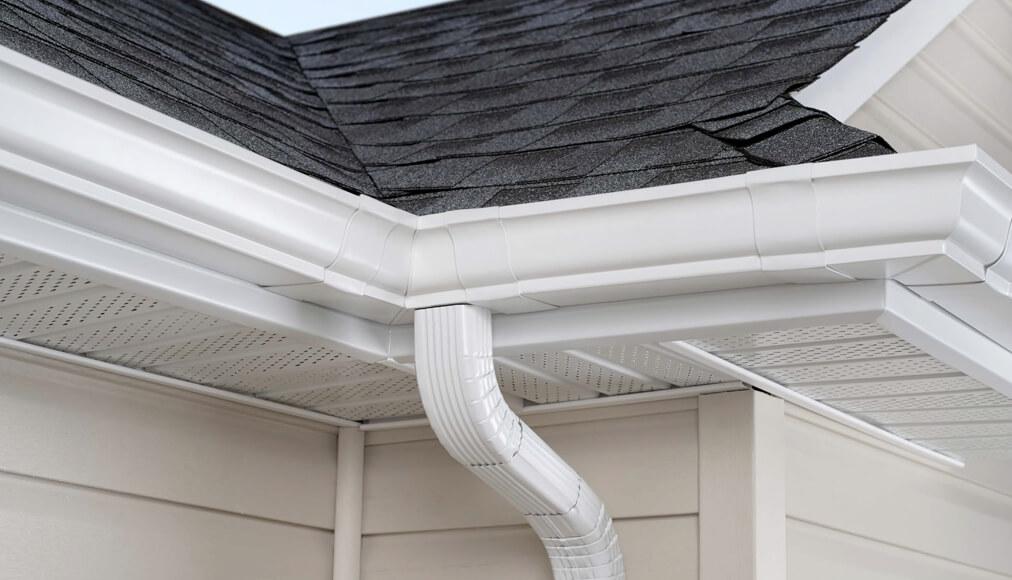
Updated July 2026. Aluminum gutters last 20 to 30 years in Western Pennsylvania, so most homes need gutter replacement every couple of decades, sooner if they were undersized, poorly pitched, or beaten up by ice. Sagging runs, separating seams, peeling paint behind the gutter, and basement moisture are the signs it is time. Here is how to judge yours, from our seamless gutter crew.
Gutters may not be the most glamorous part of your home, but they play a crucial role in protecting your property from water damage. By channeling rainwater away from your roof, siding, and foundation, gutters prevent costly problems like roof leaks, basement flooding, and soil erosion.
Over time, however, gutters can wear out, become clogged, or fail, leaving your home vulnerable. Homeowners often wonder: “How often should gutters be replaced?” The answer depends on the type of material, climate, maintenance habits, and the overall condition of your system. In this guide, we’ll break it all down so you can protect your home effectively.
Average Lifespan of Gutters
Gutter lifespan varies widely depending on the material:
-
Aluminum Gutters: 15–25 years
Lightweight, resistant to rust, and fairly low-maintenance, aluminum gutters are the most common choice for residential homes. -
Copper Gutters: 50+ years
Extremely durable and resistant to corrosion, copper gutters develop a natural patina over time. -
Steel Gutters: 20–30 years
Strong but prone to rust if not properly coated. -
Vinyl Gutters: 10–20 years
Affordable and easy to install, vinyl gutters are prone to cracking and warping in extreme temperatures. -
Zinc Gutters: 50+ years
Highly durable, self-healing material that resists corrosion and lasts decades with proper installation.
Knowing the material of your gutters helps you estimate when replacement may be necessary.
Signs Your Gutters Need Replacement
Even if your gutters haven’t reached their expected lifespan, several warning signs indicate it’s time for a replacement:
1. Visible Rust or Corrosion
Rust on steel gutters or deterioration on aluminum can weaken the structure and eventually cause leaks. Once corrosion spreads, repairs are often temporary, making replacement the more reliable solution.
2. Sagging or Pulling Away
Gutters that sag or pull away from the fascia boards may be overloaded with debris or improperly secured. Over time, sagging can lead to leaks or water spilling near your foundation.
3. Frequent Clogs
If your gutters clog frequently, even after cleaning, it may indicate the system is old, improperly pitched, or damaged. Installing new gutters with better pitch or gutter guards can improve water flow.
4. Cracks, Holes, or Leaks
Visible cracks or holes mean your gutters aren’t directing water properly. Small holes can sometimes be patched, but widespread damage often warrants full replacement.
5. Peeling Paint or Water Damage on Siding
If water is overflowing or leaking behind gutters, it can cause paint to peel or siding to rot. This is a strong sign that your gutter system isn’t functioning and may need to be replaced.
6. Foundation Problems
Gutters failing to divert water away from your home can lead to foundation cracks or erosion. If you notice pooling water around your foundation or basement leaks, your gutters may be part of the problem.
How Maintenance Affects Gutter Lifespan
Regular maintenance can significantly extend the life of your gutters:
-
Cleaning – Removing leaves, debris, and dirt at least twice a year prevents clogs and water overflow.
-
Inspection – Checking for leaks, rust, or sagging can help you address small problems before they require replacement.
-
Sealing Joints – Ensuring seams and joints are watertight reduces wear and tear.
-
Proper Pitch Adjustment – Ensuring gutters slope correctly toward downspouts improves water flow and reduces standing water.
Neglecting maintenance can shorten the life of any gutter system, regardless of material.
Choosing the Right Gutters for Replacement
When replacing gutters, consider material, style, and protection options:
-
Material: Aluminum is common and affordable; copper and zinc offer longevity and a premium look.
-
Style: K-style gutters are popular for residential homes, while half-round gutters offer a more traditional aesthetic.
-
Gutter Guards: Installing guards can reduce clogs, minimize maintenance, and protect the lifespan of your gutters.
A professional contractor can help you select a system that balances aesthetics, durability, and budget.
The Replacement Process
A gutter replacement project typically involves the following steps:
-
Assessment: Contractors inspect the existing gutters, fascia, and roofline to identify any underlying issues.
-
Removal: Old gutters, downspouts, and damaged components are removed carefully.
-
Repair Fascia/Trim: Any rotted or damaged fascia boards or trim are repaired or replaced.
-
Installation: New gutters and downspouts are installed with proper slope to ensure effective water flow.
-
Sealing and Testing: Joints and seams are sealed, and water flow is tested to prevent leaks.
-
Cleanup: All debris, old materials, and packaging are removed from your property.
Most residential gutter replacements can be completed in 1–3 days, depending on the home’s size and complexity.
Cost Considerations
The cost of gutter replacement depends on:
-
Material: Aluminum is typically the most affordable, while copper and zinc are premium options.
-
Home Size: Larger homes require more materials and labor.
-
Accessories: Gutter guards, custom colors, or additional downspouts can add to the price.
-
Labor: Experienced contractors ensure proper installation, which is critical for long-term performance.
While replacement is an investment, properly functioning gutters prevent costly water damage and protect your home for years.
Signs You Should Replace Rather Than Repair
Sometimes minor repairs are enough, but full replacement is often better in these cases:
-
Widespread damage or rust
-
Gutters older than 20–25 years (depending on material)
-
Repeated clogging despite maintenance
-
Sagging along the entire roofline
In these scenarios, replacement ensures long-term protection and avoids repeated repair costs.
Final Thoughts
Gutters are essential to protecting your home from water damage, yet they’re often overlooked. Replacing gutters at the right time is crucial to maintaining your home’s structural integrity, curb appeal, and energy efficiency.
Vinyl gutters may need replacement every 10–20 years, aluminum every 15–25 years, and copper or zinc can last 50+ years with proper care. Regular inspections, cleaning, and maintenance can extend their lifespan, but widespread damage or recurring problems usually signal it’s time for a full replacement.
✅ Need gutter replacement in Western PA?
At Bella Construction, we specialize in residential gutter replacement, repairs, and protection solutions. With over 30 years of experience, our team ensures your gutters are properly installed and your home is protected. Call 724-515-5163 or visit www.mybellaroof.com for a free estimate.
Frequently Asked Questions
How long do gutters last?
Seamless aluminum gutters last 20 to 30 years in our climate when properly pitched and maintained. Sectional gutters fail sooner because every seam is a future leak. Copper can last 50 years or more.
How do I know when gutters need replacing?
Look for sagging or pulling away from the fascia, seams that drip after rain, peeling paint or rot on the fascia board, and water in the basement after storms. A few problem spots can be repaired, but widespread issues mean replacement is the better value.
Should I repair or replace old gutters?
If the system is under 15 years old and the problem is isolated, repair it. If gutters are 20 plus years old with multiple sags, leaks, or overflow problems, replacement with seamless aluminum usually costs less than chasing repairs year after year.
Do new gutters add value to a home?
Yes, indirectly but importantly. Gutters protect the foundation, siding, and landscaping from water damage, and visible gutter problems raise red flags during home inspections at sale time.
Replacing rather than repairing? Our gutter installation cost guide breaks down 2026 pricing per foot and by home size.

Bella Blog
Welcome to Bella Construction & Developement Inc., where excellence meets affordability in the realm of construction services.