
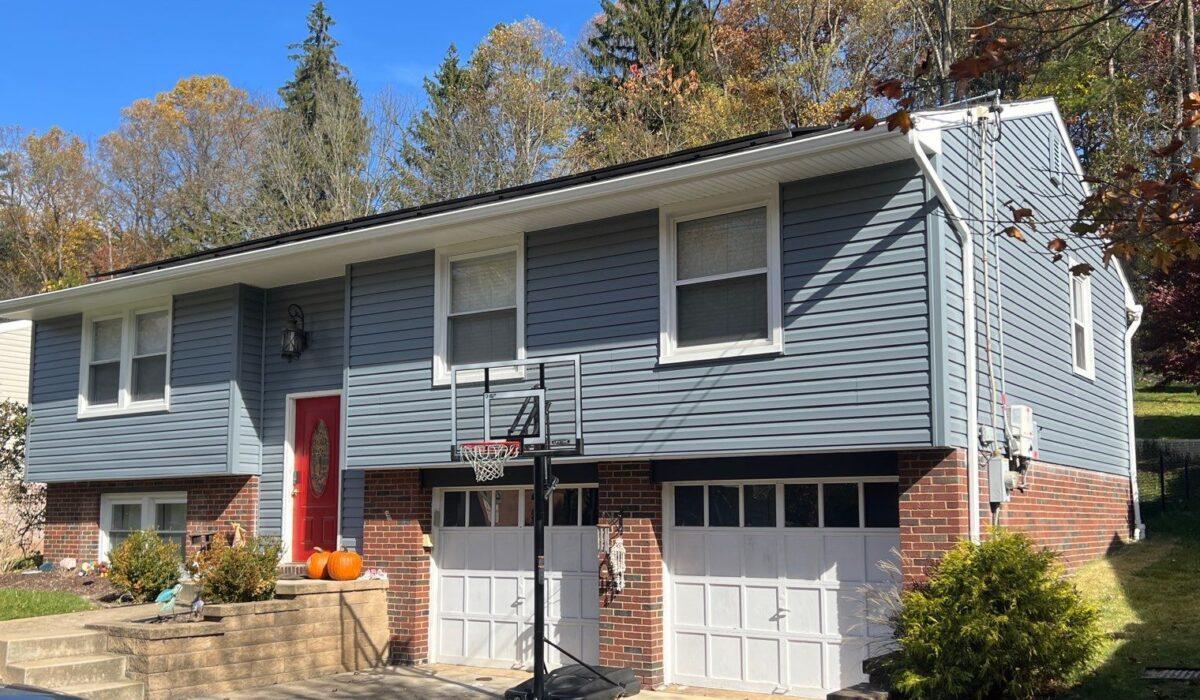
When it comes to exterior home improvements, choosing the right siding is one of the most important decisions you’ll make. Not only does siding protect your home from the elements, it also impacts your curb appeal, energy efficiency, and long-term maintenance costs.
If you’re considering an upgrade, one of the most common questions is: “How long will it last?” Vinyl, fiber cement, and wood siding are among the most popular options, but each comes with its own lifespan, durability, and maintenance requirements. Understanding these differences can help you make the best choice for your home.
Vinyl Siding: Affordable and Low Maintenance
Vinyl siding is one of the most widely used siding materials in the U.S., largely because it’s affordable, low maintenance, and available in a wide range of colors and styles.
Lifespan
Vinyl siding generally lasts 20 to 40 years, depending on the quality of the material, installation, and climate conditions. Premium brands and proper installation can push the lifespan closer to 50 years, while lower-quality or poorly installed vinyl may fade, crack, or warp sooner.
Pros
-
Low maintenance – vinyl doesn’t need painting or sealing
-
Weather-resistant – resists moisture, insects, and rot
-
Wide range of colors and styles – easy to match your home’s aesthetic
Cons
-
Susceptible to impact damage – hail, falling branches, or hard objects can crack or dent vinyl
-
Fading over time – exposure to intense sunlight can fade colors
-
Not as strong as fiber cement or wood – vinyl can warp in extreme heat
Fiber Cement Siding: Durable and Long-Lasting
Fiber cement siding, often marketed under brand names like HardiePlank, is made of a combination of cement, sand, and cellulose fibers. It’s designed to mimic the appearance of wood without the high maintenance.
Lifespan
Fiber cement siding is known for its long-lasting durability, typically lasting 30 to 50 years or more. Some high-quality fiber cement products can last up to 60 years when properly installed and maintained.
Pros
-
Highly durable – resistant to fire, rot, and insect damage
-
Low maintenance – needs repainting only every 10–15 years
-
Aesthetic versatility – can mimic wood, stucco, or other textures
Cons
-
Heavier and harder to install – requires professional installation and specialized tools
-
Higher upfront cost – more expensive than vinyl
-
Periodic painting required – unlike vinyl, it’s not maintenance-free
Wood Siding: Classic Beauty with More Maintenance
Wood siding has been used for centuries and remains popular for its natural beauty and warm aesthetic. Options include cedar, redwood, and pine, often available as clapboard, shingles, or board-and-batten.
Lifespan
Wood siding can last 30 to 50 years, depending on the type of wood, climate, and maintenance. Cedar and redwood are naturally more resistant to decay, while softer woods like pine may have shorter lifespans if exposed to moisture.
Pros
-
Timeless aesthetic – natural beauty that enhances curb appeal
-
Environmentally friendly – renewable material when sustainably sourced
-
Versatile – can be painted or stained in virtually any color
Cons
-
High maintenance – requires regular painting or staining, and inspections for rot or insect damage
-
Vulnerable to weather – moisture and UV exposure can cause cracking, warping, or decay
-
Higher cost over time – maintenance costs add up, especially if repainting every 3–5 years
Comparing Lifespans
Here’s a quick comparison of the typical lifespans of these three siding options:
| Siding Type | Typical Lifespan | Maintenance Needs | Durability Highlights |
|---|---|---|---|
| Vinyl | 20–40 years | Low – occasional cleaning | Resistant to moisture and insects, but can crack/dent |
| Fiber Cement | 30–50+ years | Low – repaint every 10–15 years | Fire-resistant, rot-resistant, strong |
| Wood | 30–50 years | High – regular painting/staining | Beautiful and natural, but sensitive to weather and insects |
From this table, it’s clear that fiber cement offers the longest durability with the least maintenance, while vinyl is the most budget-friendly and easiest to maintain, and wood provides unmatched natural beauty but requires significant upkeep.
Factors That Affect Siding Lifespan
Regardless of material, several factors can impact how long your siding lasts:
1. Quality of Material
Higher-quality siding will always last longer. For vinyl, this means thicker panels; for fiber cement, denser boards; for wood, naturally rot-resistant species like cedar or redwood.
2. Proper Installation
Even the best siding can fail if not installed correctly. Improper fastening, lack of moisture barriers, or poor caulking can lead to water intrusion, warping, or early failure.
3. Climate and Weather Conditions
Harsh climates with heavy rain, snow, hail, or intense sunlight can shorten siding lifespan. Fiber cement generally handles extreme weather best, while vinyl may warp or crack under heat or hail.
4. Maintenance
Wood siding requires the most attention, with regular painting or staining to prevent decay. Fiber cement is low-maintenance but still benefits from occasional cleaning and inspection. Vinyl requires the least maintenance but should be checked for cracks or fading.
5. Home Design and Exposure
Siding on exposed walls or areas facing harsh sun, wind, or rain may wear faster. Proper overhangs, trim, and gutters can help protect siding and extend its life.
Making the Right Choice for Your Home
Choosing siding isn’t just about lifespan; it’s about balancing durability, maintenance, aesthetics, and cost. Here are some considerations:
-
If you want low maintenance and budget-friendly: Vinyl siding is a great choice. It’s easy to clean and requires minimal upkeep.
-
If you want long-term durability and a modern look: Fiber cement is ideal. It resists rot, insects, and fire, and can mimic wood without the maintenance hassle.
-
If you want classic, natural beauty and are willing to maintain it: Wood siding is unmatched in curb appeal, but be prepared for regular upkeep to preserve its beauty.
Final Thoughts
When deciding between vinyl, fiber cement, and wood siding, lifespan is just one factor—but an important one. Vinyl offers affordability and ease of maintenance but a shorter lifespan. Fiber cement combines long-lasting durability with moderate maintenance, making it an excellent all-around choice. Wood provides natural beauty and charm, but at the cost of regular upkeep.
Ultimately, your choice should reflect your home’s style, your budget, and how much maintenance you’re willing to commit to. For homeowners in Western PA, Bella Construction can help evaluate your options and recommend the best siding for your home, climate, and long-term goals.
✅ Thinking about replacing your siding?
Bella Construction has over 30 years of experience helping homeowners choose and install the perfect siding. Call 724-515-5163 or visit www.mybellaroof.com for a free estimate and expert guidance.

Bella Blog
Welcome to Bella Construction & Developement Inc., where excellence meets affordability in the realm of construction services.