
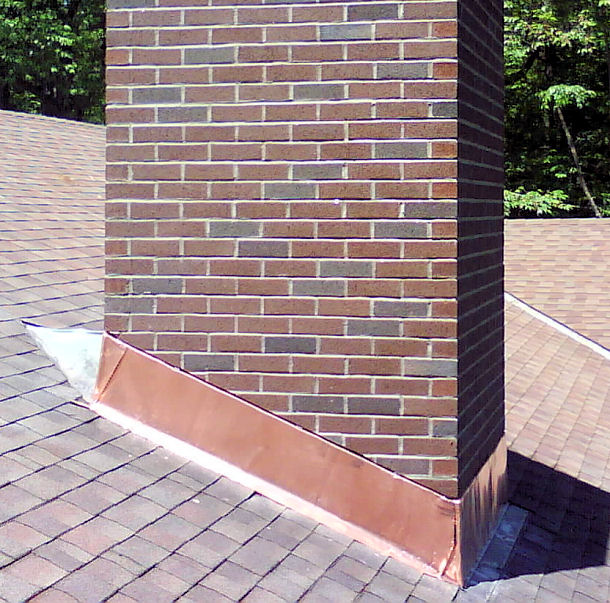
When most homeowners think about roof leaks, they imagine missing shingles or storm damage. But the real troublemaker—responsible for a massive percentage of leaks we repair—is flashing. This often-overlooked component is the thin metal barrier that seals the most vulnerable areas of your roof. When flashing fails, your roof becomes a direct path for water infiltration, structural damage, mold growth, and costly repairs.
At Bella Construction, we stress proper installation and inspections because flashing is one of the most critical elements of a truly watertight roofing system. Here’s what every homeowner needs to know.
What Is Flashing (and Why Is It So Important)?
Flashing is typically aluminum, steel, or copper installed wherever two surfaces meet or where your roof penetrates—essentially, the weakest points in your roof system. Its job is simple but vital: redirect water away from seams and openings so it can’t sneak inside.
Think of flashing like the waterproof zipper on a high-end jacket. Without it, the entire system fails—even if everything else is perfect.
The Big 4: Most Leak-Prone Areas of Your Roof
Below are the flashing areas we see fail most often across Western PA homes.
1. Chimney Flashing
Chimneys are one of the most leak-prone structures on any roof. Without proper step flashing, counterflashing, and sealing, water quickly works its way behind the brick and under the roofing materials.
Common issues include:
-
Cracked or missing mortar
-
Rusted or poorly installed metal
-
Sealant failures
-
Incorrect overlap or alignment
A small gap around a chimney may seem harmless, but during heavy rain or snowmelt, it behaves like a funnel straight into your attic.
2. Roof Valleys
Valleys handle enormous amounts of water, especially during storms. Poorly installed valley flashing—or “open” vs. “closed” valley mistakes—can lead to:
-
Water pooling
-
Shingle deterioration
-
Underlayment rot
-
Steady drip leaks into insulation and drywall
Many DIY repairs fail here because valleys require precise, layered installation. One misstep creates a hidden problem that grows over time.
3. Vent Pipes & Plumbing Stacks
Every vent pipe sticking out of your roof needs its own flashing (typically a boot flashing). When the rubber boot cracks—even slightly—it becomes an immediate leak point.
Signs of failure include:
-
Dry, brittle rubber
-
Gaps around the pipe
-
Rusting or loose metal edges
These leaks often drip slowly for months, causing unseen attic damage before the homeowner notices.
4. Skylights
Skylights brighten your home, but they must be wrapped in properly layered flashing to stay watertight. Poor installation or aged flashing here leads to:
-
Moisture around drywall
-
Foggy or wet skylight interiors
-
Mold and water stains
Skylight flashing requires manufacturer-specific installation guidelines to keep warranties intact.
Types of Flashing (and Why They Matter)
Different areas of your roof require different types of flashing to create a true waterproof barrier:
-
Step Flashing: Used along walls and chimneys—installed in layers like shingles.
-
Counterflashing: Seals over step flashing, especially around chimneys.
-
Valley Flashing: Large metal sheets that manage high-volume water areas.
-
Vent Pipe Boot Flashing: Rubber-and-metal hybrid designed to wrap pipe penetrations.
-
Drip Edge Flashing: Installed at roof edges to keep water out of fascia boards.
-
Apron Flashing: Used where vertical surfaces meet the roof, like dormers.
When any of these are missing, improperly layered, or installed with shortcuts, your roof becomes vulnerable immediately.
Why Flashing Fails (And How to Prevent It)
Most flashing leaks come down to one of these issues:
1. Poor Installation
Incorrect layering, improper sealing, or cheap materials create instant weak points.
2. Age and Weather
Western PA winters are tough. Ice, snow, and freeze-thaw cycles cause metal expansion, rubber cracking, and sealant failure.
3. Roofing Over Old Materials
Flashing should always be replaced during a full roof replacement—not reused. Reusing flashing is one of the biggest shortcuts cheap roofers take.
4. Structural Movement
Homes naturally shift over time. Flashing that isn’t properly seated or anchored can separate and open gaps.
Why Proper Flashing Protects Your Entire Roofing System
Failing flashing doesn’t just cause leaks—it weakens every layer of your roofing system:
-
Water saturates plywood decking
-
Insulation becomes wet and ineffective
-
Mold can form inside attic cavities
-
Shingle warranties can be voided
-
Interior drywall and ceilings can be ruined
-
Fascia, soffit, and siding can begin to rot
A few inches of metal have enormous responsibility.
The Bella Construction Difference
At Bella Construction & Development, we don’t cut corners—ever.
Here’s what we deliver on every roofing project:
✔ Brand-new flashing installed everywhere it’s needed
✔ No reuse of old metal
✔ Proper layering that aligns with manufacturer guidelines
✔ Ice & water shield protection for high-risk areas
✔ Experienced installers who understand building science—not shortcuts
✔ A roofing system built to last 30+ years
Your roof is only as strong as its most vulnerable point. With Bella, those weak spots get the strongest protection.
Concerned You Might Have Flashing Damage?
If you’ve noticed:
-
Ceiling spots
-
Dripping sounds during storms
-
Moisture around chimneys or vents
-
Shingle granules in gutters
-
Drafts or musty attic smells
It’s time to get your flashing checked.
📞 Call Bella Construction at 724-515-5163
🌐 Visit us at mybellaroof.com
Serving all of Western PA for 30 years and two generations.

Bella Blog
Welcome to Bella Construction & Developement Inc., where excellence meets affordability in the realm of construction services.