
- By Bella Blog
- Roofing
- 0 Comment
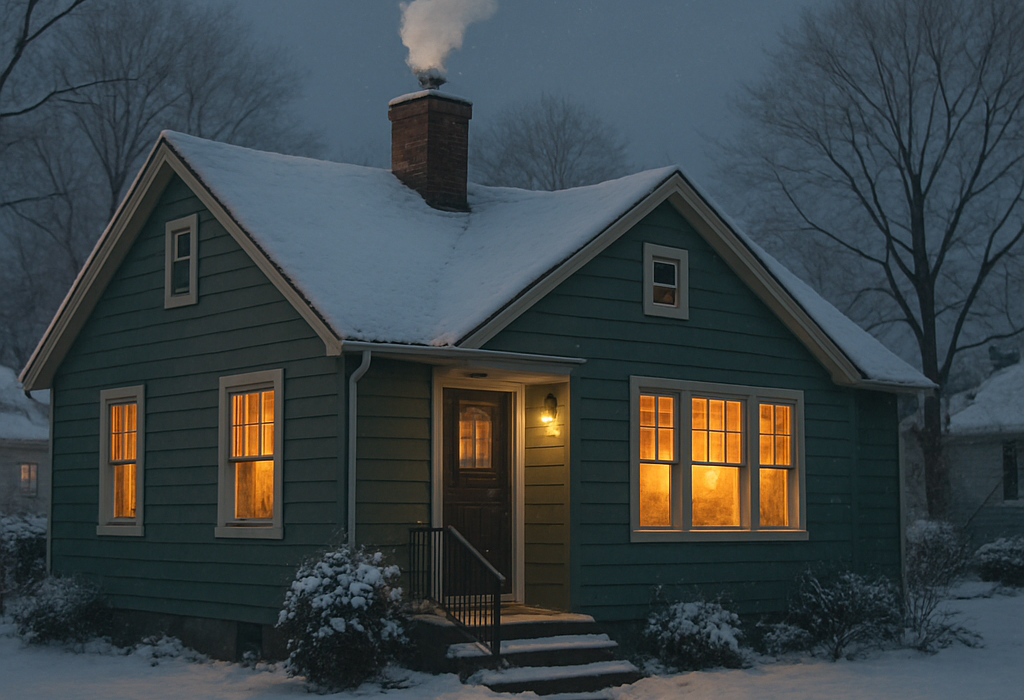
Selecting the best roofing materials for cold climates is essential for protecting your property and maintaining long-term performance during Western Pennsylvania’s harsh winters. Subfreezing temperatures, heavy snow loads, and repeated freeze-thaw cycles place constant stress on exterior building materials. Choosing the right roofing and siding solutions helps safeguard structural integrity, improve energy efficiency, and reduce long-term maintenance costs.
How Cold Weather Impacts Roofing and Exterior Materials
Cold climates create unique challenges for exterior construction materials. Prolonged exposure to freezing temperatures, snow accumulation, and ice can weaken materials that are not engineered for winter performance. The best roofing materials for cold climates are designed to resist cracking, warping, and brittleness while maintaining strength during temperature fluctuations.
Roofing and siding systems must also minimize energy loss and prevent moisture infiltration. Proper material selection helps protect against ice dams, water penetration, and structural damage that commonly occur during winter months in Western Pennsylvania.
Comparing the Best Roofing Materials for Cold Climates
When evaluating the best roofing materials for cold climates, durability, insulation compatibility, and long-term performance are key considerations. Below is a comparison of the most reliable options for winter conditions.
Metal Roofing for Cold Weather Performance
Metal roofing, including standing seam steel systems, is widely considered one of the best roofing materials for cold climates. Its smooth surface allows snow and ice to shed easily, reducing excess weight and the risk of ice dams. Metal roofs do not crack or shrink in freezing temperatures and offer exceptional longevity with minimal maintenance. It is also resistant to cracking and shrinking, making it a long-term solution for harsh winters.
Asphalt Shingles Designed for Cold Climates
Asphalt shingles remain a popular choice due to affordability and ease of installation. However, not all asphalt products perform equally in winter conditions. Premium asphalt shingles with reinforced fiberglass mats and cold-weather adhesives are better suited for freeze-thaw environments. When properly installed, they can deliver reliable performance in cold climates.
Composite Roofing Options for Extreme Temperature Swings
Composite roofing materials, often made from polymers or recycled materials, are engineered for durability in extreme weather. These systems provide high impact resistance and flexibility, making them suitable for severe winter conditions. When assessing composite products, review snow load ratings, warranty coverage, and insulation compatibility to ensure optimal performance.
For a comprehensive comparison of roofing materials, explore our guide on different types of roofing materials to find the best fit for your home.
Siding Solutions That Complement the Best Roofing Materials for Cold Climates
Siding plays a critical role in protecting the building envelope during winter. Fiber cement siding performs exceptionally well in cold climates due to its resistance to cracking, swelling, and moisture damage. Its dimensional stability makes it a reliable long-term solution.
Insulated vinyl siding systems, such as premium options with advanced locking mechanisms, help reduce drafts and improve thermal efficiency. These systems are designed to withstand freeze-thaw cycles while maintaining color and structural integrity. Adding a full exterior wrap further enhances insulation and weather resistance. Learn more about the advantages of Mastic siding for your home’s exterior.
Why Professional Installation Matters in Cold Climate Roofing
Even the best roofing materials for cold climates can underperform if improperly installed. Qualified contractors ensure that all components are properly fastened, flashed, and sealed, reducing the risk of wind uplift, leaks, or cold bridging.
Western Pennsylvania building codes establish minimum standards for insulation, weather barriers, and structural anchoring. Professional installation ensures compliance, protects manufacturer warranties, and maximizes the lifespan of roofing and siding systems designed for winter conditions.
Maximizing Longevity, Warranties, and Energy Efficiency
Routine maintenance and warranty awareness are essential for long-term performance. Many products considered the best roofing materials for cold climates come with extended warranties, often requiring professional installation and periodic inspections. Understanding siding warranties is crucial for protecting your investment and ensuring long-term performance.
Energy efficiency is another critical factor. Properly installed roofing and siding systems reduce heat loss and lower winter heating costs. Look for ENERGY STAR–rated products and work with contractors who provide maintenance plans addressing snow removal, ice dam prevention, and seasonal inspections. Learn how to avoid roof ice dams to protect your home during the cold months.
Contact Information
Location:
- 10561 Center Hwy, Irwin, PA 15642, USA
E-mail:
- info@mybellaroof.com
Phone:
- 724-515-5163
With Bella, you’ll get energy efficiency improvements, reduced energy waste, and a home that’s safer, more comfortable, and more beautiful.
Thinking about your next project?

Bella Blog
Welcome to Bella Construction & Developement Inc., where excellence meets affordability in the realm of construction services.