
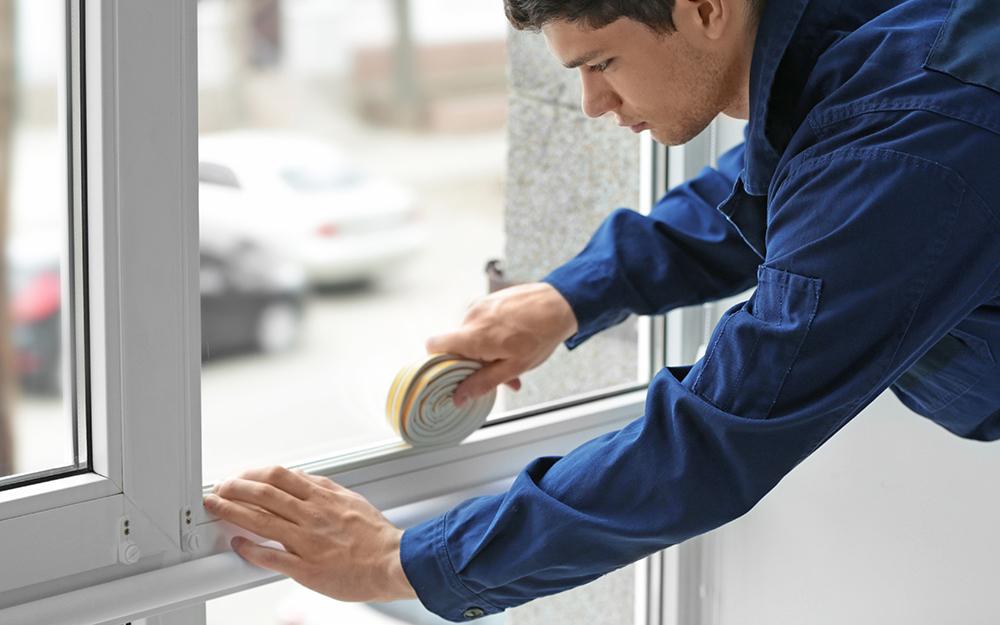
You can seal windows for winter in a single afternoon with $20 to $50 in supplies: exterior caulk for the gaps around the frame, weatherstripping for the moving sash, and shrink film for the worst offenders. It’s worth the trouble, because the Department of Energy estimates that heat gained and lost through windows accounts for roughly 25 to 30 percent of home heating and cooling energy use. On a typical Western Pennsylvania gas bill, tightening up leaky windows can mean real money back every month from November through March.
We’ve inspected thousands of windows around Irwin, Greensburg, Murrysville, and the eastern suburbs since 1995, and we’ll tell you the honest truth up front: sealing helps most windows, saves some windows, and merely postpones the inevitable for a few. This guide covers all three situations, so you’ll know exactly where your house stands before the first hard freeze.
Why Sealing Windows Matters So Much Here
Our climate is rough on windows. We swing above and below freezing constantly all winter, and every freeze and thaw cycle works caulk joints open a little wider and shrinks weatherstripping a little flatter. Wind driven snow finds gaps that summer rain never touches. And in the 1950s and 1960s ranches that fill our neighborhoods, original single pane windows with decades old glazing are still surprisingly common. A drafty window doesn’t just waste heat. It lets moisture into the wall, where it feeds mold, rots framing, and peels paint from the inside out.
Step 1: Find the Leaks
Pick a cold, breezy day. Hold a stick of incense or a candle a few inches from the window and trace the perimeter slowly. Wherever the smoke wavers or the flame flickers, you’ve found a leak. Mark each spot with painter’s tape.
Try the dollar bill test on operable windows too: close the sash on a bill and pull. If it slides out with no resistance, the weatherstripping isn’t sealing. Check the meeting rail where the two sashes of a double hung window overlap, since that’s a leak point people always miss. Finally, look outside at the joint between the window frame and the siding or brick. Cracked, shrunken caulk out there is usually your biggest single culprit.
Step 2: Gather the Right Materials
Skip the bargain bin. For window sealant in winter conditions, buy a quality exterior grade sealant, ideally a siliconized acrylic or polyurethane rated for exterior joints, which typically runs $6 to $12 a tube. You’ll also want:
- Weatherstripping: V seal (also called V strip) for sash channels, or EPDM rubber for compression points. Foam tape is cheapest but rarely survives a full season.
- Rope caulk: a soft, removable putty that presses into gaps on windows you won’t open until spring. Peel it off in April with no damage.
- Window insulation film: a clear shrink plastic kit that creates a still air pocket over the whole window. Kits cost about $10 to $20 and cover several windows.
- Basic tools: caulk gun, utility knife, scissors, rags, and a hair dryer for the film.
Step 3: Seal the Stationary Gaps
Clean each marked spot and scrape out any cracked old caulk. On a day above 40 degrees if you can manage it, run a smooth bead of exterior caulk along the joint between the frame and the siding outside, and along any interior trim gaps that leaked smoke. Tool the bead with a wet finger so it fills the joint fully. Don’t caulk the weep holes on the bottom exterior edge of the window. Those little slots drain water on purpose, and blocking them traps moisture inside the frame.
Step 4: Weatherstrip the Moving Parts
Apply V seal along the side channels of double hung sashes and along the meeting rail, and add rubber gasket to the bottom rail where the sash lands on the sill. Clean the surface with rubbing alcohol first so the adhesive actually holds. Close and lock the window when you’re done. Locking isn’t just security; it pulls the sashes tight together and compresses the seal you just installed.
Step 5: Film the Worst Windows
For single pane windows or anything that still feels cold after caulk and weatherstripping, install shrink film on the interior. Run the double sided tape around the trim, press the film on, and warm it with a hair dryer until it pulls drum tight and nearly invisible. That trapped air layer works like a storm window for a few dollars. Test with the incense stick again afterward. If the smoke holds steady around the full perimeter, you’ve done your job.
When Sealing Isn’t Enough
Here’s the part a caulk tube can’t fix. If you see fog or condensation trapped between the panes of a double pane window, the insulated glass seal has failed, and no amount of exterior caulk brings back the lost insulating gas. If the sash frames are soft or rotted, if the window won’t stay open on its own, or if you’re filming the same windows every October and still sitting in a draft, you’re spending money to slow a leak instead of stopping it.
Modern vinyl replacement windows with low E glass and argon fill routinely cut window heat loss by half or more compared to a worn single pane unit. Our guide to window replacement in Pittsburgh breaks down real local pricing, and you can compare styles on our windows service page, including our most popular vinyl replacement windows. And while you’ve got the caulk gun out, check the door sweeps too. An entry door leaks the same way a window does, and our door services page covers what a properly sealed replacement looks like.
Frequently Asked Questions
Should I caulk my windows shut for the winter?
Not with permanent caulk. Use removable rope caulk on windows you won’t open, and you’ll get the same seal without gluing your sashes shut or damaging the paint come spring.
Does that plastic window film actually work?
Yes, genuinely. The film itself isn’t the insulation; the trapped layer of still air is. On single pane windows it makes a difference you can feel from across the room.
Why are my windows still drafty after I sealed them?
The leak may not be at the window. Air often sneaks through the hidden gap between the window frame and the wall framing, which was never insulated properly. That fix means pulling trim, or it means a replacement window installed and foamed correctly.
How much money will sealing windows save me?
It depends on how leaky you start, but the DOE puts typical savings from air sealing and insulating a home at around 10 to 15 percent on heating and cooling. Old single pane windows in bad shape sit at the high end.
Get a Free Window Checkup Before the Cold Hits
If you seal everything and the house still feels cold, the problem is bigger than a caulk gun. We’ll come out, check every window honestly, and tell you which ones just need a $10 fix and which ones are costing you every single month. Since 1995, that straight answer has been the Bella way. Schedule your free inspection at mybellaroof.com and let’s get your home winter ready together.

Bella Blog
Welcome to Bella Construction & Developement Inc., where excellence meets affordability in the realm of construction services.